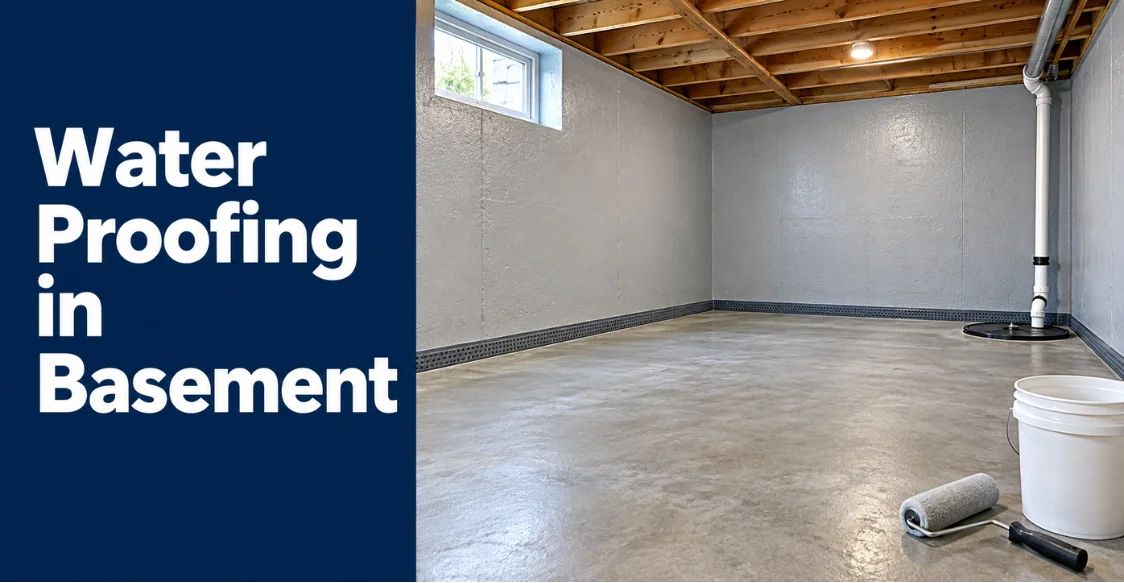
If you’re researching water proofing in basement spaces, start with the source of the water. A coating cannot fix every leak, and an expensive drainage system is not always necessary. The right solution depends on where moisture enters, how often it appears, and what causes it.
Direct answer: Waterproofing a basement starts with finding where water enters and why. Fix gutters, grading, and isolated cracks before paying for major drainage work. Chronic seepage may require an interior drain and sump pump, while exterior membranes address water before it reaches the foundation. Elsewhere on the site: Pool Timers for Pump Control.
Basement Waterproofing at a Glance
| Situation | Common solution | Typical U.S. cost | DIY-friendly? |
|---|---|---|---|
| Minor wall dampness | Masonry sealer or waterproof coating | $1–$8 per sq. ft. | Often |
| One leaking crack | Epoxy or polyurethane injection | $250–$1,500 per crack | Sometimes |
| Poor yard drainage | Grading improvements | $500–$3,000 | Sometimes |
| Groundwater entering the basement | Interior perimeter drain | $60–$120 per linear foot | Usually not |
| Water collecting below slab | Sump pump | $600–$2,500 | Usually not |
| Major exterior intrusion | Exterior drainage and waterproofing | Varies widely by excavation | No |
These ranges reflect current U.S. estimates from Fixr and Angi. Prices vary by region, foundation type, basement size, access, and repair scope. Get written local estimates before budgeting a major project.
Key Takeaways
- Diagnose the water source before choosing a waterproofing product.
- Check gutters, downspouts, soil slope, windows, and visible cracks first.
- Interior systems manage water that reaches the basement.
- Exterior systems try to stop water before it enters the foundation.
- Waterproof coatings work best for limited moisture problems, not active water pressure.
- A sump pump needs reliable discharge and benefits from backup power.
- Bowing walls, major cracks, or repeated flooding warrant professional evaluation.
Why Is Water Getting Into Your Basement?
Basement water usually enters because rainwater or groundwater reaches the foundation faster than it can drain away. It may enter through cracks, porous masonry, windows, pipe openings, or the wall-floor joint. Plumbing leaks and condensation can create similar symptoms without involving groundwater.
Timing gives you useful clues about the cause. Dampness after heavy rain often points to exterior drainage issues or foundation seepage. Moisture that appears regardless of weather may come from plumbing, condensation, or another indoor source.
Look outside before assuming the foundation needs major work. Overflowing gutters and short downspouts can dump roof water beside basement walls. Soil that slopes toward the house can keep that water against the foundation longer.
Hausfixr’s basement mold guide explains how recurring moisture supports mold growth. It also covers common basement moisture sources and drying steps. Fixing the water source should come before treating recurring stains or growth.
Water Proofing in Basement Areas: Follow These 7 Steps
A good waterproofing plan moves from diagnosis to the least disruptive effective repair. This order can prevent paying for a large system before simpler causes are ruled out. It also helps separate moisture control from genuine groundwater intrusion.
1. Identify Where the Water Enters
Inspect the basement during or soon after rainfall when possible. Check wall cracks, the wall-floor joint, window wells, pipes, and floor drains. Mark damp locations so you can compare them during the next storm.
Also inspect plumbing before blaming the foundation. A hidden pipe leak can produce damp flooring, stains, or musty odors. Hausfixr’s slab leak repair guide covers warning signs that may point toward buried plumbing.
2. Correct Gutters and Downspouts
Clean blocked gutters and repair sections that overflow during rain. Confirm that downspouts discharge water away from the foundation. Avoid directing runoff toward low spots beside basement walls.
EPA moisture guidance also recommends maintaining gutters and sloping ground away from foundations. These measures reduce water collecting around the building. They are sensible first checks before more invasive waterproofing begins.
3. Improve the Grade Around the House
Walk around the foundation and look for soil that slopes toward the home. Low areas can collect rainwater against basement walls. Correct drainage should move surface water away rather than trapping it near the structure.
Small grading corrections may be manageable for experienced homeowners. Larger changes can affect patios, walks, buried utilities, and neighboring drainage. Get professional advice when earthwork could redirect substantial runoff.
4. Repair Appropriate Cracks and Openings
Small, stable, nonstructural cracks may sometimes be sealed with suitable repair products. Openings around pipes and other penetrations may also need attention. The correct material depends on the crack and foundation type.
Do not treat every crack as a simple sealing project. Horizontal cracks, widening cracks, or bowed walls can indicate structural movement. Those conditions deserve evaluation before cosmetic sealing hides useful evidence.
5. Choose Interior Moisture Control When It Fits
Interior coatings and sealers can reduce minor moisture moving through suitable masonry. They work best after surfaces are prepared and active leaks are addressed. They should not be expected to overcome substantial groundwater pressure.
Read Hausfixr’s guide to sealing basement walls before coating a damp wall. It explains why drainage, cracks, groundwater pressure, and wall condition matter. Matching the coating to the actual problem produces better results.
6. Add Drainage and a Sump Pump for Chronic Seepage
An interior perimeter drain collects incoming groundwater and directs it toward a sump basin. The pump then sends that water to an approved discharge location. This approach manages water after it reaches the foundation area.
A sump pump also depends on electricity during severe weather. FEMA recommends considering battery-operated backup protection because storms can cause power failures. Test the pump regularly and keep its discharge route clear.
7. Consider Exterior Waterproofing for Serious Intrusion
Exterior waterproofing may involve excavation, foundation repair, a waterproof membrane, and footing drainage. This approach addresses water from the outside of the structure. The labor and excavation usually make it more expensive than simple interior treatments.
Exterior work makes more sense when the problem cannot be controlled through drainage corrections or suitable interior management. Access around the foundation can strongly affect the price. Finished patios, driveways, utilities, and tight property lines can complicate excavation.
What You’ll Need for Basic DIY Moisture Control
Homeowners can handle several preventive tasks without opening the floor or excavating a foundation. Choose work that matches your skills and the actual source of moisture. Stop if you discover structural movement, electrical hazards, contaminated floodwater, or unexplained active leakage.
- Work gloves and eye protection.
- Flashlight.
- Moisture meter or hygrometer.
- Gutter-cleaning tools.
- Downspout extensions.
- Shovel and soil for small grading corrections.
- Suitable crack-repair material.
- Masonry brush and cleaning supplies.
- Dehumidifier when indoor humidity remains high.
A dehumidifier controls humidity but does not repair groundwater intrusion. EPA recommends keeping indoor relative humidity below 60 percent when possible. An ideal target is about 30 to 50 percent.
Interior vs. Exterior Basement Waterproofing
Interior and exterior systems solve different parts of the moisture problem. Interior drainage generally controls water after it reaches the basement area. Exterior work aims to reduce water reaching the foundation wall.
| Factor | Interior waterproofing | Exterior waterproofing |
|---|---|---|
| Main purpose | Manage seepage from inside. | Block or redirect water outside. |
| Common methods | Drain tile, sump pump, coatings | Membranes, excavation, exterior drains |
| Disruption | Mostly inside the basement | Yard and foundation excavation |
| Relative cost | Usually lower | Usually higher |
| Best fit | Chronic seepage or limited exterior access | Serious exterior water intrusion |
| DIY suitability | Limited | Poor |
Neither approach is automatically correct for every home. Some properties use exterior drainage improvements with an interior sump system for backup. Diagnosis matters more than choosing the most expensive option.
Does Waterproofing Paint Really Stop Basement Leaks?
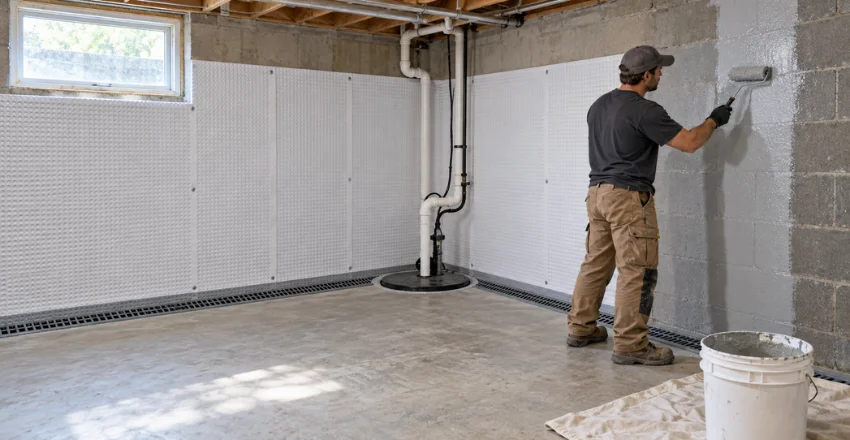
Waterproof coatings can help reduce moisture that passes through sound masonry. They may also provide a cleaner interior surface after the moisture source is controlled. They are not a substitute for drainage when water is entering under pressure.
Paint applied over an actively wet wall may peel or fail. Moisture can continue moving through cracks or behind the coating. Repair the cause before relying on a surface treatment.
How Much Does Basement Waterproofing Cost in the U.S.?
Basement waterproofing costs vary because the term covers many different repairs. Fixr lists waterproof coatings around $1–$8 per square foot and sump pumps around $600–$2,500. Angi lists grading around $500–$3,000 and interior drains around $60–$120 per linear foot.
The cheapest proposal is not always the least expensive long-term choice. A wall coating wastes money if poor grading keeps sending water against the foundation. A major drainage system may also be unnecessary when a downspout causes the entire problem.
Ask contractors to identify the suspected water source in writing. The estimate should explain the proposed method, drainage route, restoration work, and warranty terms. Compare scope rather than comparing only the final price.
When Should You Call a Professional?
Professional evaluation makes sense when water keeps returning after basic drainage corrections. It is also appropriate when the basement experiences standing water or widespread seepage. Repeated flooding deserves more than another layer of wall coating.
Get structural advice for bowed walls, displacement, or significant cracking. Excavation and perimeter drainage also require skills beyond routine DIY maintenance. Plumbing diagnosis may be necessary when dampness does not follow rainfall patterns.
Mold that returns after cleaning also suggests moisture remains unresolved. Hausfixr’s mold cleanup and prevention guide explains why drying and moisture correction matter. EPA similarly advises fixing water problems quickly and drying damp materials promptly.
Frequently Asked Questions
What is the best way to waterproof a basement?
The best method depends on why the basement gets wet. Surface runoff may improve after gutter, downspout, and grading repairs. Groundwater seepage may require drainage, a sump pump, or exterior work.
Can you waterproof a basement from the inside?
Yes, several interior methods can control moisture and groundwater. Options include crack repair, coatings, perimeter drains, vapor control, and sump pumps. Interior work manages different problems than full exterior waterproofing.
How much does basement waterproofing cost?
Small fixes may cost hundreds of dollars, while drainage and excavation can cost thousands. Current U.S. estimates vary substantially by method and property. Basement size, access, foundation type, and local labor also affect pricing.
Does waterproofing paint work on basement walls?
It can help with minor moisture on properly prepared masonry. It should not be treated as the solution for flowing water or serious pressure. Correct drainage problems and active leaks before applying a coating.
Can I handle water proofing in basement areas myself?
You can often clean gutters, extend downspouts, monitor humidity, and make limited drainage corrections yourself. Some minor crack or coating projects may also suit experienced homeowners. Leave excavation, structural repairs, and complex drainage systems to qualified professionals.
How can I keep basement mold from returning?
Control the moisture source and dry wet materials promptly. EPA recommends keeping indoor humidity below 60 percent, ideally around 30 to 50 percent. Continue checking the basement after major rain and plumbing problems.
Make the Repair Match the Water Source
A dry basement begins with diagnosis rather than a product purchase. Watch when water appears, inspect exterior drainage, and rule out plumbing before choosing a repair. That approach can prevent both repeated leaks and unnecessary spending.
Start with gutters, downspouts, grading, and visible entry points. Move to drainage systems or exterior work when evidence shows they are needed. For recurring seepage, structural cracking, or standing water, get qualified local assessments and compare detailed written proposals.