Introduction
Sealing basement walls is crucial for maintaining a dry, safe, and structurally sound home. Properly sealed basement walls prevent moisture, mold, and other common basement issues that can damage your foundation and reduce air quality. We break this down further in Mold in Basement: The Ultimate Guide to Moisture Sources, Safe Cleanup, Prevention, Pro Tips, and More.
This article covers everything you need to know about sealing basement walls, including why it’s important, types of sealants, DIY versus professional sealing, maintenance tips, and eco-friendly options to protect your basement.
Sealing Basement Walls
Sealing basement walls protects your home from moisture and structural issues. A well-sealed basement wall prevents water from seeping in, reducing the risk of mold and mildew. Properly sealing basement walls helps maintain a dry and healthy environment, protects your foundation, and adds value to your home, making it a worthwhile investment.
Why Sealing Basement Walls Is Important
Sealing basement walls helps prevent water from entering your basement, reducing the risk of mold, mildew, and structural damage. Basements are often prone to dampness due to underground moisture, which can seep through walls. Proper sealing keeps your basement dry, protects your belongings, and can improve your home’s energy efficiency.
Common Problems Caused by Unsealed Basement Walls
Unsealed basement walls can lead to various issues, such as moisture buildup, mold growth, and foundation damage. Over time, water and humidity can weaken the structure, causing cracks and leaks. Additionally, damp basements can attract pests and reduce indoor air quality, posing health risks. Sealing walls helps avoid these common basement problems.
Choosing the Right Materials
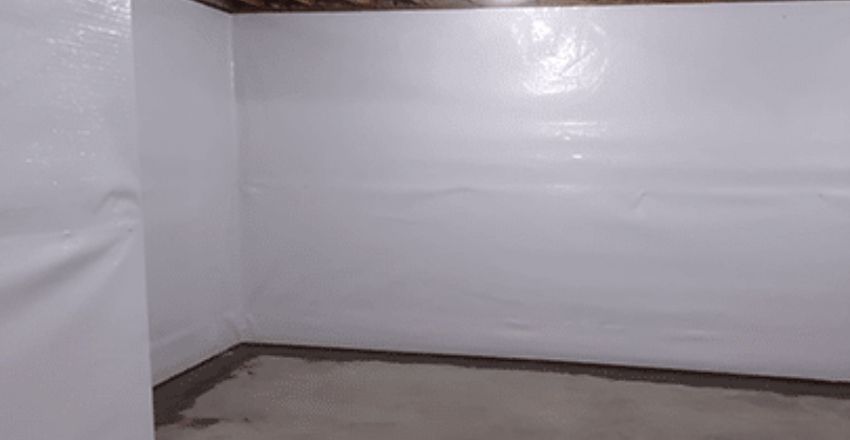
Select high-quality materials like waterproof paints, concrete sealers, or epoxy to seal basement walls effectively. Each option provides different levels of moisture resistance, with concrete sealers offering the best protection. Some homeowners also use vapor barriers and waterproof coatings for added security. Choose a material that suits your basement’s needs and budget.
Preparing Basement Walls for Sealing
Before sealing, clean the walls thoroughly to remove dirt, dust, and any existing mold. Repair cracks or holes with a concrete filler or patching compound, ensuring a smooth surface. Next, allow the walls to dry completely. Proper preparation helps the sealing material adhere better and ensures a longer-lasting, watertight seal.
Steps for Sealing Basement Walls
- Clean and Prep: Start by cleaning and repairing any cracks.
- Apply Sealer: Use a brush or roller to apply the chosen sealer.
- Let it Dry: Allow the sealer to dry thoroughly as directed on the product.
- Apply a Second Coat: For better protection, apply a second coat if needed.
- Following these steps ensures a well-sealed basement.
Types of Sealants for Basement Walls
There are several sealants for basement walls, including concrete sealers, waterproof paints, and epoxy sealers. Concrete sealers penetrate the surface and provide long-term protection. Waterproof paints add a layer on top but may need reapplication over time. Epoxy sealers create a durable, hard layer, ideal for areas with high moisture.
Benefits
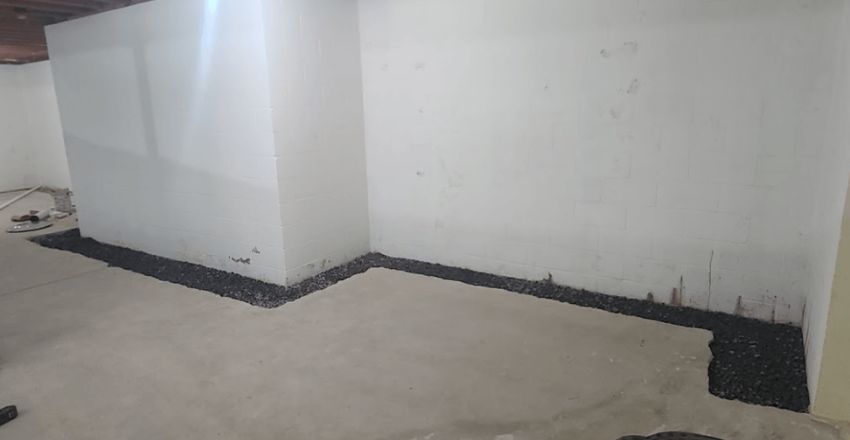
Sealing basement walls offers numerous benefits, including moisture prevention, improved air quality, and enhanced property value. Keeping water out protects against mold growth, structural issues, and pest problems. A dry basement is a comfortable and usable space, making it more functional for storage or conversion to a living area.
Outside vs. Inside
There are two methods for sealing basement walls: exterior and interior. Exterior sealing involves applying a waterproof barrier to the outside of the foundation, which offers the best protection but can be costly. Interior sealing is more straightforward, as sealant is applied to the inside walls. Interior methods are effective for mild moisture issues but may not address severe leaks.
How Often to Reseal Basement Walls
The frequency of resealing basement walls depends on the type of sealant and the moisture level in your basement. Concrete sealers can last for years, while waterproof paints may require reapplication every few years. Regularly inspect your basement for signs of moisture or damage to determine when resealing is needed to maintain protection.
DIY Sealing vs. Professional
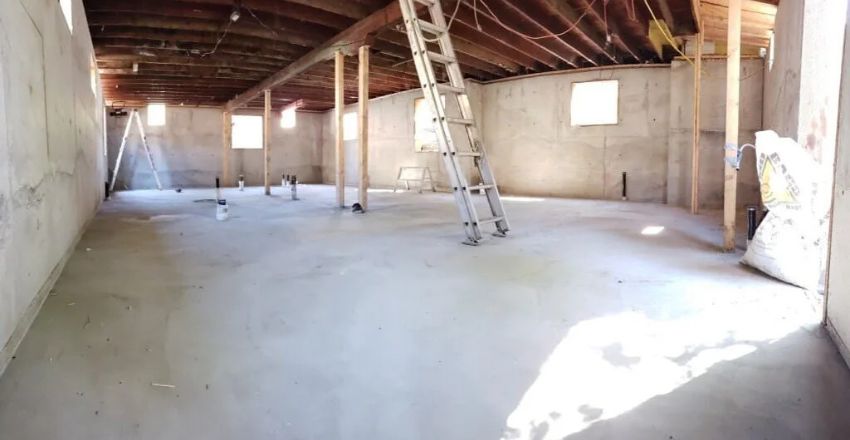
Homeowners can often seal basement walls, especially with waterproof paints and concrete sealers. However, professional sealing is recommended for basements with severe moisture problems or extensive cracks. Professionals can also apply exterior sealants and more advanced techniques to ensure maximum protection, though it may be more expensive.
Cost of Sealing Basement Walls
The cost of sealing basement walls varies based on factors like the size of the area, the type of sealant, and whether you choose DIY or professional service. DIY sealing with waterproof paint or concrete sealer can be affordable, while professional exterior sealing can be more costly. Budgeting for proper sealing helps protect your basement investment.
Signs You Need to Seal Your Basement Walls
Watch for signs that indicate a need for sealing, such as dampness, visible water stains, musty odors, or mold growth. Cracks in the walls also indicate that moisture is penetrating the basement. Sealing your basement walls promptly can prevent further damage and complications if you notice any of these signs.
Importance of Proper Moisture Diagnosis Before Sealing Basement Walls
Before applying any type of sealer to basement walls, it is essential to identify the source and level of moisture intrusion, as sealing alone will not solve underlying water problems. Issues such as poor exterior drainage, foundation cracks, or high groundwater pressure should be assessed first, since applying a sealant over active leaks can trap moisture inside the wall and worsen structural damage over time. In many cases, addressing drainage improvements, gutter extensions, or crack repairs beforehand ensures that the sealing process is more effective and long-lasting, providing true protection rather than just a temporary surface fix.
Eco-Friendly Options
Eco-friendly sealants are available for homeowners who want a more sustainable approach. These sealants are low in volatile organic compounds (VOCs), reducing harmful emissions and improving indoor air quality. Choosing eco-friendly products like water-based concrete sealers allows you to seal basement walls effectively while minimizing environmental impact.
Tips for Maintaining
Once your basement walls are sealed, periodic maintenance keeps them in good condition. Inspect the walls regularly for cracks or signs of moisture and repair any issues promptly. Keep your basement well-ventilated, and consider using a dehumidifier to reduce humidity levels. These steps help extend the lifespan of your sealed basement walls.
Conclusion
In conclusion, sealing basement walls effectively protects your home from moisture damage, mold, and structural issues. Whether you choose DIY or professional services, properly basement walls ensures a dry and safe environment.
Regular maintenance and the use of quality sealants help maintain the effectiveness of the seal. Investing in basement walls adds value to your home and enhances its longevity and comfort.
If you want to read an interesting article about it, explore our “Basements” category.
FAQs
Sealing basement walls prevents moisture, mold, and structural damage, keeping your basement dry and safe.
Unsealed walls can lead to moisture buildup, mold, mildew, foundation damage, and poor indoor air quality.
Use high-quality materials like concrete sealers, waterproof paints, or epoxy for adequate moisture protection.