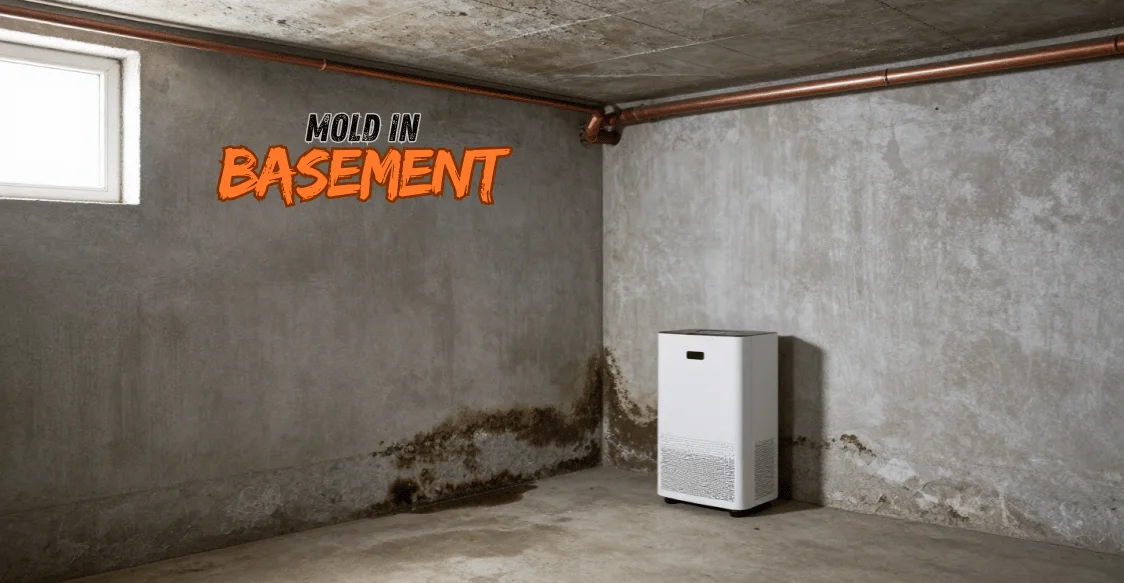
Finding mold in basement spaces usually means one thing: moisture is getting somewhere it shouldn’t. Cleaning the visible growth can help, but it won’t solve the problem if a leak, condensation, seepage, or high humidity remains.
The right approach is to first identify the water source, correct it, safely clean the affected area, and ensure the basement dries completely. Small areas may be suitable for DIY cleanup, while larger or hidden problems often require professional remediation.
| Key question | Practical answer |
|---|---|
| First priority | Find and stop the moisture source |
| Typical DIY limit | Less than about 10 square feet in many cases |
| Ideal humidity | About 30% to 50% |
| Wet-material deadline | Dry within 24 to 48 hours when possible |
| Hard surfaces | Clean with detergent and water, then dry fully |
| Porous materials | Some may need to be removed if badly contaminated |
| Call a professional | Larger areas, hidden growth, sewage damage, or recurring moisture |
Key Takeaways
- Fix the moisture problem before treating cleanup as complete.
- Small, accessible areas may be reasonable DIY projects if you can work safely.
- Wear appropriate protection when disturbing affected material.
- Hard surfaces can often be cleaned, while badly contaminated porous materials may need to be replaced.
- A dehumidifier can control humidity, but it cannot fix a leak.
- Don’t paint or seal over affected material before cleaning and drying it.
Why Basements Develop Mold
Basements are especially vulnerable because they sit below or partly below ground. That puts walls and floors in regular contact with cooler soil and, in some homes, groundwater pressure.
Common moisture sources include:
- Foundation cracks.
- Poor exterior drainage.
- Plumbing leaks.
- Condensation on cold pipes.
- High indoor humidity.
- Water entering around basement windows.
- Sump pump problems.
- Flooding.
- Damp carpet or stored cardboard.
- Dryer or appliance moisture.
A basement may smell musty before visible growth appears. That odor can point to damp material behind drywall, paneling, stored boxes, carpet, or insulation.
If the smell is strong but you can’t find the source, don’t assume the visible wall surface is the only problem. Moisture may be entering behind finished materials.
Hausfixr’s basement improvement guides cover several related issues, including waterproofing and moisture control.
Is Basement Mold a Health Risk?
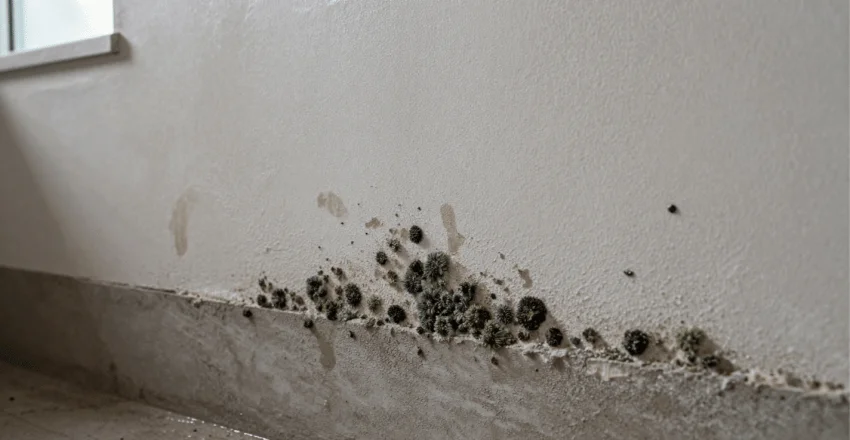
Indoor fungal growth can affect people differently. Some people experience nasal irritation, coughing, wheezing, eye irritation, skin symptoms, or worsening asthma when exposed to damp or moldy environments.
Children, older adults, people with asthma, and people with weakened immune systems may be more sensitive.
The color of the growth isn’t a reliable indicator of risk level. Black, green, white, brown, or gray growth all point to the same basic problem: excess moisture is supporting biological growth indoors.
That means the practical response is the same regardless of color. Correct the water problem, remove contaminated material where necessary, clean suitable surfaces, and dry the basement.
If someone in the home has significant respiratory or immune system concerns, it may be safer to avoid DIY remediation and consult a qualified professional.
Mold in Basement: When DIY Cleanup Makes Sense
A small, visible area may be manageable if you know its cause and can stop the source of moisture.
DIY cleanup is more reasonable when:
- The area is limited and easy to reach.
- The water source is known.
- The problem was not caused by sewage.
- The HVAC system is not involved.
- The affected material can be cleaned or removed safely.
- No one performing the work has a health condition that increases the risk of exposure.
Professional help makes more sense when:
- The affected area is large.
- Growth returns after cleaning.
- You suspect contamination behind walls.
- Sewage or contaminated floodwater was involved.
- The HVAC system may be contaminated.
- Several rooms or building materials are affected.
- You cannot identify the source of the moisture.
- The basement has suffered major flooding.
- Someone in the household is medically vulnerable.
A small patch doesn’t always mean a small problem. If water has been moving behind a wall for weeks, the visible section may represent only part of the affected area.
What You’ll Need Before Cleaning a Small Area
For a limited DIY job, basic protective equipment matters more than buying an aggressive chemical cleaner.
Consider having:
- An N95 respirator.
- Protective gloves.
- Safety goggles.
- Clothing that covers exposed skin.
- Detergent.
- Clean water.
- Scrub brushes.
- Disposable cloths or cleaning materials.
- Heavy-duty trash bags for discarded material.
- A fan or dehumidifier for drying, when appropriate.
- A hygrometer to monitor humidity.
Keep children and pets away from the work area.
Avoid disturbing more material than necessary. Aggressive scraping, sanding, or demolition can release additional particles into the air.
7 Steps to Clean a Small Area Safely
1. Find the Moisture Source
Don’t begin by focusing on stains.
Check for leaking plumbing, foundation seepage, condensation, sump problems, drainage issues, or recent flooding.
Look closely at:
- Pipe joints.
- Water-heater connections.
- Washing-machine hoses.
- Utility sinks.
- Basement windows.
- Wall-to-floor joints.
- Foundation cracks.
- Floor drains.
- Sump pits.
- Cold-water pipes.
If the wall becomes damp after rainfall, exterior drainage may be involved. If moisture appears around plumbing regardless of the weather, a leak is more likely.
Fixing the source gives the cleanup a chance to last.
2. Measure the Affected Area
Estimate how much material is affected before disturbing it.
A small surface patch is different from widespread contamination across several walls. Hidden contamination behind drywall can also increase the true size of the job.
If the problem extends across a large area or affects multiple materials, consider professional remediation.
3. Put On Protective Equipment
Wear gloves, eye protection, and respiratory protection before disturbing affected material.
Avoid touching the growth with bare skin.
If you’re removing drywall, insulation, carpet, or other contaminated material, protect exposed skin and avoid tracking debris into clean areas of the home.
4. Remove Materials That Can’t Be Salvaged
Some porous materials are difficult to clean completely once growth has penetrated them.
Depending on the severity of the contamination, these materials can include the following:
- Carpet.
- Carpet padding.
- Ceiling tile.
- Cardboard.
- Certain types of insulation.
- Heavily damaged drywall.
- Upholstered items.
Hard, nonporous surfaces are generally easier to clean because contamination is more likely to remain on the surface.
Don’t keep water-damaged material solely because it looks better after surface cleaning. If the material remains damp inside, the problem can return.
5. Clean Hard Surfaces
For many hard surfaces, detergent and water are appropriate. Scrub away visible contamination, wipe the surface clean, and remove any residue. Avoid painting directly over affected material. Paint may temporarily hide staining while moisture remains underneath.
The surface should be cleaned and dried before refinishing.
6. Dry the Basement Thoroughly
Drying is a critical part of remediation.
Run a dehumidifier when humidity is high. Improve air movement if doing so will not spread contamination from an active work area.
A basement hygrometer is useful because it indicates whether the space remains damp even when surfaces look dry. Try to keep relative humidity below 60%. A range of about 30% to 50% is a practical target for many homes.
Wet materials should be dried quickly. Materials that remain damp for days create better conditions for regrowth.
7. Recheck the Area
Cleanup isn’t finished when the stain disappears.
Check the site again over the next several days and after heavy rain.
Watch for:
- New staining.
- A returning musty odor.
- Condensation.
- Damp drywall.
- Wet flooring.
- Higher humidity.
- New growth.
If the problem returns, assume the moisture source hasn’t been fully corrected.
How to Tell Whether the Moisture Comes From the Wall or the Room
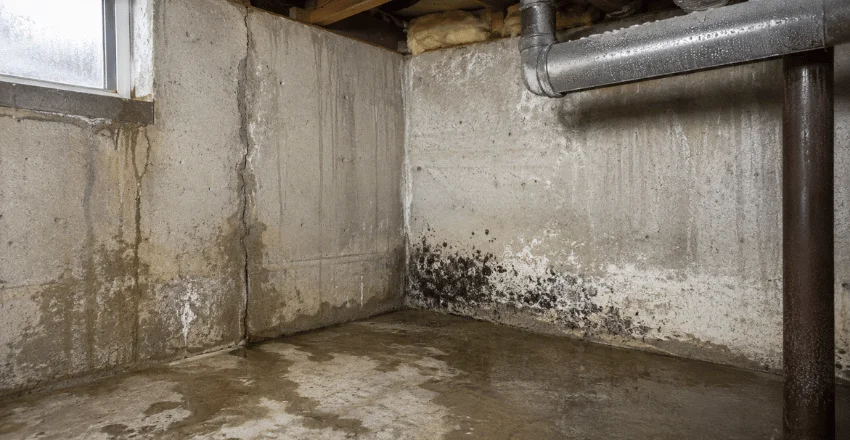
One useful diagnostic step is determining whether moisture is entering through the foundation or condensing from humid indoor air. If the wall becomes wet after rain, foundation seepage becomes more likely. If cold pipes or cool masonry collect moisture during hot, humid weather, condensation may be the main cause.
You can also tape a square of clear plastic tightly against a clean section of masonry for a short observation period. If moisture forms behind the plastic, dampness may be moving through the wall. If moisture forms on the room-facing surface, it may be condensing as humid indoor air comes into contact with the cooler wall.
This isn’t a complete diagnostic test, but it can help point you toward the next step in the inspection process.
How to Prevent Mold From Returning
Prevention depends on keeping the basement dry.
Control Indoor Humidity
Use a hygrometer to monitor the room. If humidity stays high, a dehumidifier can help. Choose a unit sized for the basement, and make sure the condensate has somewhere reliable to drain. Remember that a dehumidifier treats humidity. It does not correct groundwater seepage or plumbing leaks.
Improve Exterior Drainage
Check what happens to rainwater outside the house. Water should move away from the foundation rather than collect beside it.
Inspect:
- Gutters.
- Downspouts.
- Downspout extensions.
- Soil grading.
- Window wells.
- Foundation cracks.
Overflowing gutters or short downspouts can send large amounts of water directly beside basement walls.
Fix Foundation Moisture Correctly
If water is entering through masonry, determine why before applying a coating. Hausfixr’s guide to sealing basement walls against moisture explains why drainage, cracks, groundwater pressure, and wall condition should be considered before choosing a sealing method.
A waterproof coating may help in the right situation, but it shouldn’t be used to hide an unresolved structural or drainage problem.
Inspect Plumbing
Small plumbing leaks can remain hidden for long periods.
Check:
- Supply lines.
- Shutoff valves.
- Drain pipes.
- Water-heater connections.
- Laundry plumbing.
- Utility sinks.
A concealed leak beneath or within the floor may require professional diagnosis.
Hausfixr’s guide to slab leak warning signs and repair costs covers clues such as unexplained moisture and other signs that can justify a plumbing inspection.
Insulate Cold Pipes
Cold-water pipes can collect condensation when humid air comes into contact with them. Pipe insulation reduces the amount of cold surface area exposed to basement air and can help prevent repeated dripping. If a pipe is wet only during humid weather and isn’t leaking from a fitting, condensation may be the cause.
Avoid Storing Absorbent Materials Against Basement Walls
Cardboard boxes, books, fabric, and rugs absorb moisture. Don’t push them directly against cool foundation walls. Use shelving when possible, and leave space for airflow around stored items. Plastic storage bins may also be a better option for items kept in a basement that occasionally becomes humid.
Should You Use Bleach?
Bleach isn’t automatically necessary for routine cleanup. On many hard surfaces, physical cleaning with detergent and water is the more important step. Bleach also comes with safety concerns. Never mix bleach with ammonia, acids, or other household cleaners. Dangerous gases can form.
If you use any cleaning chemical, follow the product label exactly and ventilate the area appropriately. Using a stronger chemical doesn’t fix the underlying cause of the dampness in the basement.
Can You Paint Over Basement Mold?
Not before cleaning and drying the surface. Painting over active contamination may cover discoloration, but the underlying problem remains.
Before painting:
- Stop the moisture source.
- Remove or clean affected material.
- Dry the surface completely.
- Confirm that the wall stays dry.
- Repair damaged material if needed.
- Choose a coating appropriate for the wall type and moisture conditions.
If the wall continues to become damp, investigate drainage or foundation moisture before refinishing it.
How Long Does a Basement Need to Dry?
There is no single drying time for every basement. A small condensation problem may improve within hours after humidity is controlled. Saturated drywall, carpet, framing, or masonry can take much longer. The better question is whether the material is actually dry.
Don’t judge dryness by touch alone. A wall may feel dry on the surface while moisture remains deeper inside the material. For significant water damage, a moisture meter can provide more useful information than an inspection of appearance alone. Fast action matters. Wet materials should ideally be dried within 24 to 48 hours when practical.
Do You Need Mold Testing?
In many cases, visible growth already provides the information you need to act. Testing may not change the solution because the moisture problem still needs to be corrected, and affected material still needs to be cleaned or removed.
Testing can make more sense when:
- A professional is investigating a hidden problem.
- There is a dispute about building conditions.
- A medical or occupational specialist recommends additional investigation.
- You need post-remediation verification for a specific project.
For a typical homeowner who can already see a small affected area, spending money on testing before fixing an obvious leak may not be the best first step.
Can Mold Spread From the Basement to the Rest of the House?
Particles can move through air currents, foot traffic, belongings, and mechanical systems. That is one reason to avoid unnecessary disturbance. If an HVAC system is contaminated, running it may distribute material to other parts of the home. During cleanup, avoid carrying contaminated debris through living areas without containing it.
Bag discarded material before moving it out of the basement.
When a Musty Smell Matters
A persistent musty odor deserves investigation even if you don’t see visible growth.
Check concealed areas such as the following:
- Behind furniture.
- Behind finished basement walls.
- Under carpet.
- Inside cabinets.
- Around plumbing penetrations.
- Near sump pits.
- Behind stored boxes.
- Around HVAC equipment.
Odor alone doesn’t tell you the size or type of the problem, but it does suggest that moisture may be affecting the material nearby. If you can’t find the source without opening a large finished area, a moisture inspection may be a better next step than random demolition.
A Practical Basement Moisture Checklist
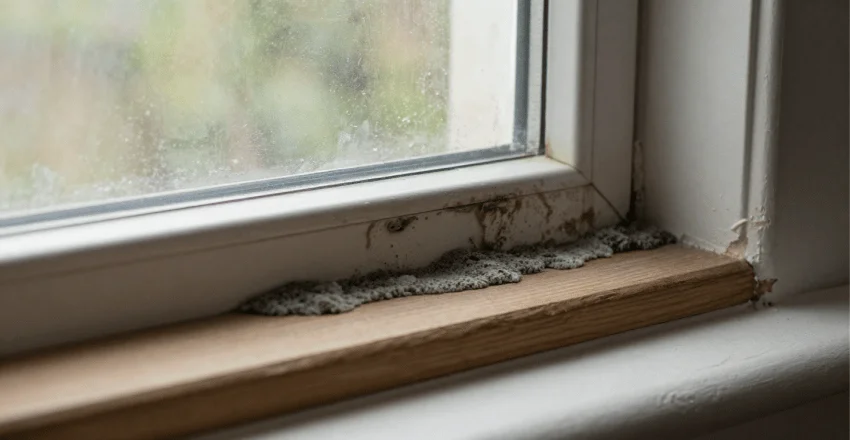
Before treating the job as complete, check each of these:
- No active plumbing leaks.
- Gutters are clear.
- Downspouts discharge away from the foundation.
- Soil slopes away from the house where practical.
- Foundation cracks have been evaluated.
- Basement windows are not leaking.
- Cold pipes are not dripping because of condensation.
- Humidity is being monitored.
- Wet materials have dried fully.
- Contaminated porous materials have been removed where necessary.
- Hard surfaces have been cleaned.
- No persistent musty smell remains.
- The area has been rechecked after rain.
Your Next Step
Don’t start by looking for the strongest cleaner. Start by finding the water. Inspect the wall-to-floor joint, plumbing, basement windows, sump area, cold pipes, and anything stored directly against exterior walls. Check the humidity and note whether dampness appears after rainfall or during humid weather.
If the affected area is small and the cause is clear, careful DIY cleanup may be reasonable. If the contamination is extensive, hidden, sewage-related, or keeps returning, professional inspection is the safer path. Once the source of moisture is corrected, the basement can dry properly, and the cleanup has a much better chance of lasting.
Frequently Asked Questions
It can cause or worsen symptoms in sensitive people, especially those with allergies, asthma, or weakened immune systems. Any indoor growth also indicates excess moisture that should be corrected.
No. A dehumidifier reduces humidity and helps create drier conditions, but it doesn’t remove existing contamination. Clean or remove affected material and correct the original water source.
Keeping relative humidity below 60% is a useful goal. Many homeowners aim for roughly 30% to 50% when conditions allow.
No. Color alone doesn’t tell you how hazardous the growth is. Treat any visible indoor growth as a moisture problem that needs to be corrected.
Concrete itself isn’t a food source, but moisture can move through cracks or porous masonry. Growth can then develop on dust, paint, wood, drywall paper, or other organic material on or beside the wall.
Household products are often discussed for small cleanup jobs, but the essential steps are physical cleaning, moisture correction, and complete drying. Detergent and water are sufficient for many hard surfaces.
A fan may help with drying after contamination has been removed. During active cleanup, strong airflow can spread particles into other areas, so use air movement carefully.
Yes, once the affected material is clean and completely dry and the moisture problem has been corrected. Don’t use paint to cover active contamination or a damp wall.
Recurring growth almost always means moisture is still present. Look for persistent humidity, condensation, foundation seepage, drainage problems, or hidden plumbing leaks.