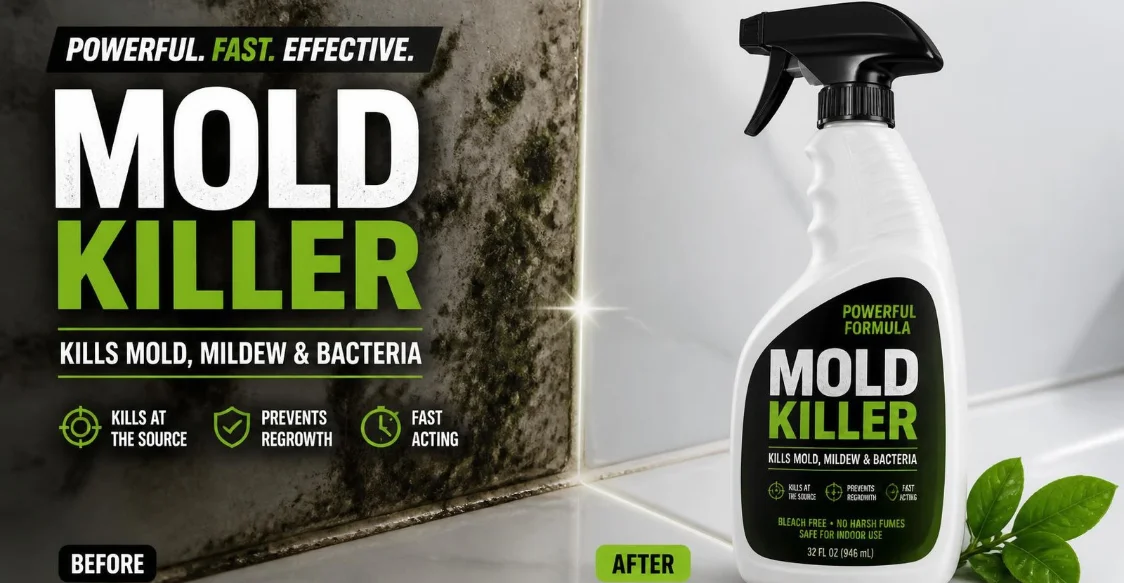
A mold killer can address visible growth on the right surface, but the bottle is only one part. U.S. guidance focuses on removing growth, correcting moisture, and fully drying materials. That approach reduces regrowth better than repeatedly spraying the same damp spot.
| Situation | Best first action | Key caution |
| Small patch on a hard surface | Clean with detergent and water, then dry completely | Scrubbing without drying leaves the cause unresolved. |
| Bleach-safe hard surface | Use a labeled bleach product only when appropriate | Ventilate well and never mix bleach with ammonia or other cleaners. |
| Wet porous material | Remove or replace material that cannot be cleaned and dried | Surface treatment may not solve contamination inside the material. |
| Area larger than about 10 square feet | Consider experienced professional remediation | Large jobs need greater care during cleanup. |
| Recurring spots | Find the leak, condensation, or humidity source | Repeated cleaning will not solve continuing moisture. |
Best answer: Choose the cleaner by surface, then remove residue and fully dry the area. For most small hard-surface jobs, EPA guidance favors detergent and water over routine biocide use. No product gives lasting control if leaks, damp materials, or high indoor humidity remain.
Key Takeaways
- Treat moisture control as part of the cleanup, not a later project.
- Match the cleaning method to the surface instead of using one product everywhere.
- Replace porous materials when you can’t remove contamination, and the item cannot be dried.
- Keep bleach away from ammonia and other cleaners, and follow every product label.
- Get professional help for larger areas, sewage-related damage, or suspected HVAC contamination.
What a Mold Killer Can and Cannot Do
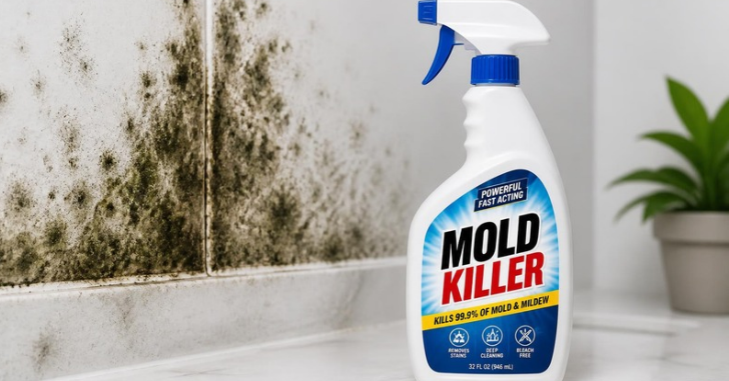
A Mold Killer can kill or inactivate organisms on certain materials, but cleanup still requires physical removal. The EPA says dead fungal growth can still cause allergic reactions in some people. The agency also says routine biocide use is not recommended for most household cleanup.
Spores are naturally present indoors and outdoors, so sterilizing a room isn’t realistic. Growth returns when moisture remains available—fixing leaks, drying wet materials, and controlling humidity matter more than choosing the strongest-smelling cleaner.
Compare Common Home Cleanup Options
The best option depends on the surface, area size, and moisture source. Bathroom tile needs a different response than soaked drywall or carpet. Start with the least aggressive method that fits the material and official guidance.
| Option | Good fit | Main advantages | Important limits |
| Detergent and water | Small areas on hard surfaces | Low cost, simple, and directly supported by EPA guidance | The surface must be dried fully after cleaning. |
| Bleach or bleach-based product | Bleach-safe hard surfaces when the label allows use | Can be used on suitable hard surfaces | EPA discourages routine biocide use; ventilation and label directions matter. |
| Commercial cleaner labeled for the job | Surfaces specifically listed on the product label | Convenient application with defined use directions | Surface compatibility and ventilation requirements vary by product. |
| Removal and replacement | Saturated carpet, ceiling tile, or other absorbent materials | Removes contaminated material that cannot be restored | Costs more and may require professional work. |
For most small hard-surface jobs, detergent and water are the strongest first choice. Use a disinfectant when the situation or product label clearly requires it. Replace contaminated porous materials when cleaning and drying completely isn’t realistic.
How to Use a Mold Killer Without Missing the Real Problem
Before cleaning, identify why the area became damp and decide whether the job fits a DIY scope. EPA says homeowners can handle many areas under about 10 square feet, according to its brief guide to mold and moisture. Larger areas, major water damage, or contaminated water change the risk.
- Stop the water source. Repair leaks, improve drainage, or reduce condensation before you clean repeatedly.
- Check the size. Treat a patch near 3 feet by 3 feet as the upper DIY reference point.
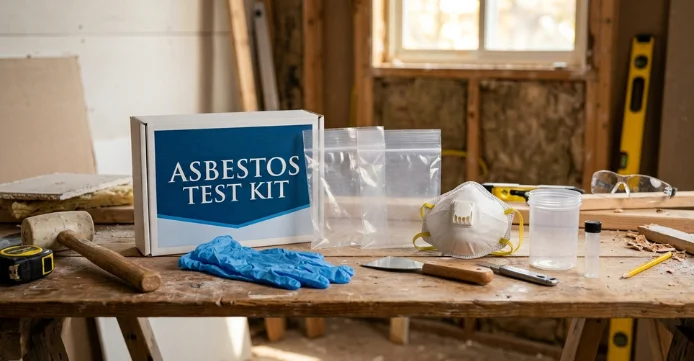
- Protect yourself. Wear gloves and goggles, and consider a well-fitting N-95 respirator for cleanup.
- Clean the surface. Use detergent and water on hard materials, or follow a suitable product label exactly.
- Remove unsalvageable material. Discard absorbent items that cannot be cleaned and dried completely.
- Dry and recheck. Remove remaining moisture and inspect the area again after cleanup.
Do not run an HVAC system that may be contaminated, because it can spread spores through the building. Sewage-related water damage also deserves experienced professional handling. People with health concerns should consult a health professional before starting cleanup.
Match the Method to the Surface
Tile, Glass, Tubs, and Sealed Fixtures
Hard, nonporous surfaces are usually the most practical DIY cleanup targets. Detergent and water can remove growth, and you should dry the surface afterward. If you use bleach, CDC says follow the label, ventilate the space, and never mix cleaners.
Drywall, Ceiling Tile, Carpet, and Upholstery
Absorbent materials are harder because growth can occupy spaces below the visible surface. EPA says items such as ceiling tiles and carpet may need replacement when they become contaminated. Do not paint or caulk over affected material before cleaning and complete drying.
Basement Concrete and Masonry
Concrete can often be cleaned, but repeated staining usually points to a continuing moisture problem. Check foundation seepage, condensation, grading, plumbing, and indoor humidity before buying another spray. HausFixr’s basement wall moisture guide explains ways to diagnose and limit water entry.
Prevent Regrowth After Cleanup
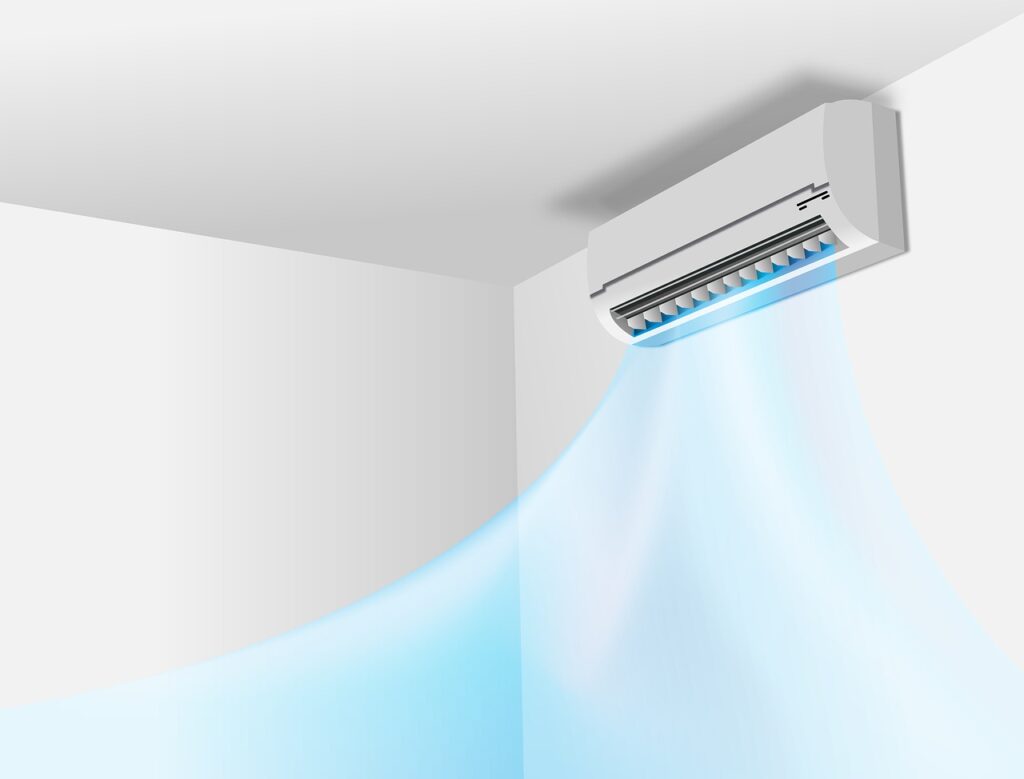
A practical indoor target is about 30% to 50% relative humidity. EPA recommends staying below 60% and ideally within that range, while CDC advises no higher than 50%. Air conditioning, dehumidification, and exhaust ventilation can help keep conditions drier.
Bathrooms need reliable ventilation because warm showers repeatedly load the room with moisture. Run an exhaust fan that vents outdoors and give wet surfaces time to dry. HausFixr’s wet room bathroom guide also explains why drainage, waterproofing, and ventilation must work together.
Hidden plumbing leaks can keep wall cavities or floors damp long after visible water disappears. Watch for unexplained stains, musty odors, warped finishes, or recurring dampness near plumbing routes. HausFixr’s slab leak repair cost guide can help homeowners understand one possible hidden-water source.
When Professional Help Makes More Sense
DIY work has limits, especially when contamination is extensive or hidden. EPA uses about 10 square feet as a practical dividing line for many household situations. Professional help also makes sense when the source involves sewage, major flooding, or suspected HVAC contamination.
Consider calling an experienced remediator when:
- The affected area is larger than about 10 square feet.
- Growth returns after you corrected visible surface moisture.
- The problem is inside walls, ducts, insulation, or other hard-to-access spaces.
- Sewage or other contaminated water caused the damage.
- Someone in the home has health concerns that make exposure more risky.
Ask contractors about their cleanup process, moisture diagnosis, containment methods, and references. A useful scope should address both contaminated material and the water source. Avoid proposals that promise permanent results from spraying alone.
Choose the Cleanup That Solves the Cause
A good mold removal plan does more than change a stain’s color. Clean the right surface, dry it fully, and fix the leak or humidity problem feeding growth. If the area is large, hidden, or repeatedly wet, bring in an experienced professional before more material is damaged.
Frequently Asked Questions
What Is the Best Mold Killer for Bathroom Tile?
For a small patch on hard bathroom tile, start with detergent and water, then dry the surface fully. A labeled bathroom cleaner may also work on compatible surfaces. The lasting fix is better ventilation and moisture control between cleanings.
Does Bleach Permanently Solve Indoor Growth?
No cleaner can provide permanent control while the area keeps getting wet. Bleach can be used on suitable hard surfaces when label directions allow it. The EPA still emphasizes removal, drying, and correcting the moisture source.
Is Vinegar Required for Household Cleanup?
No. Federal household guidance centers on detergent and water for hard surfaces, plus complete drying. If you choose another cleaner, check its label and never combine products.
How Much Can I Clean Myself?
EPA says homeowners can handle many areas smaller than about 10 square feet. That is roughly a 3-foot by 3-foot patch. Larger jobs or major water damage often justify professional assessment.
How Do I Know Cleanup Is Finished?
Fix the water source before the job is considered complete. Visible growth and musty odors should be gone, and the area should stay dry afterward. Recheck the location later for renewed staining, odor, or moisture.