Introduction
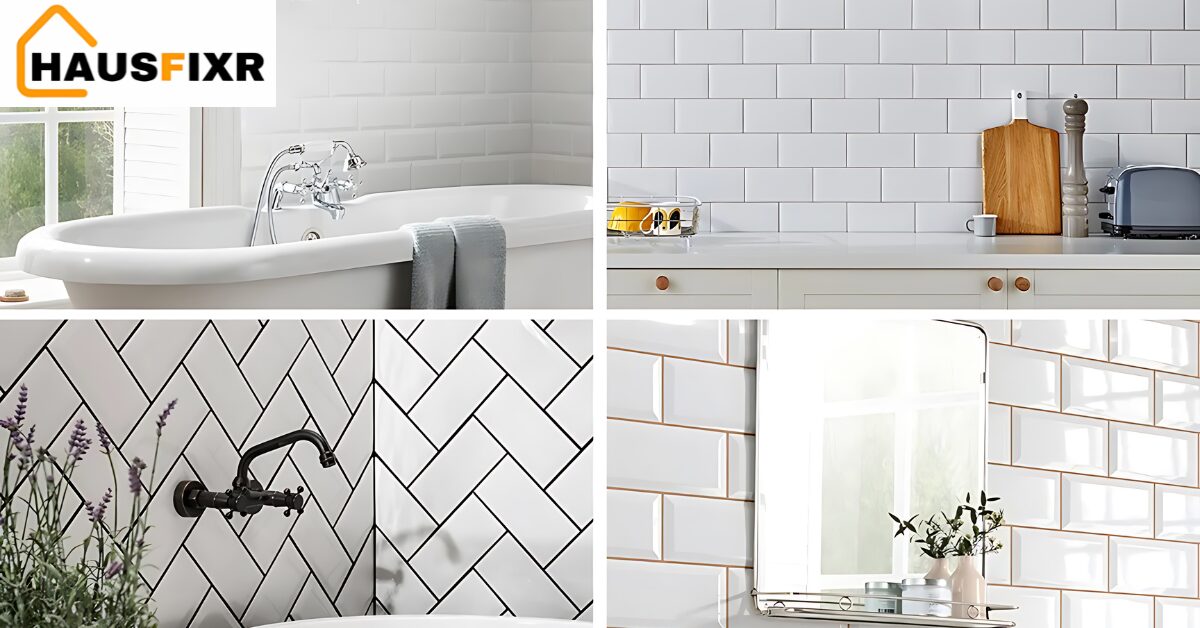
White grout is more than just a filler between tiles; it’s a design element that brings a clean, refined look to any tiled surface. Whether in kitchens, bathrooms, or flooring, white grout creates an open and seamless look, enhancing light and space.
This cement or epoxy-based material pairs beautifully with various tile types, including ceramic, porcelain, and natural stone, making it a versatile choice in interior design. By complementing different styles and enhancing the shape of tiles, white grout adds a timeless appeal that can make even the smallest spaces feel more extensive and inviting.
Here’s a concise table summarizing the introduction and critical aspects of white grout:
| Aspect | Description |
| White grout | White grout is a cement or epoxy-based material that fills gaps between tiles, enhancing the design and providing a clean, refined appearance. |
| Visual Appeal | It creates an open and seamless look, making spaces appear larger and brighter, ideal for kitchens, bathrooms, and floors. |
| Material Types | Available in cement-based (sanded and unsanded) and epoxy-based options, each unique. |
| Design Compatibility | It complements different tile types (ceramic, porcelain, stone) and suits various design styles. |
| Main Benefits | It highlights tile arrangement, enhances room aesthetics, and adds a timeless appeal that fits well in any design, especially in small or bright spaces. |
| Common Issues | Prone to discoloration, staining, and mold in high-moisture areas; regular maintenance and sealing are required to preserve its appearance and functionality. |
| Maintenance | Regular cleaning, sealing, and installation techniques help retain the grout’s brightness. |
| Alternatives | Light gray, colored, or epoxy grout with high moisture areas. |
White Grout
White grout is a cement or epoxy-based material that fills gaps between tiles. Its bright, clean appearance can make spaces look larger and more open. White grout is ideal for various tile types, including ceramic, porcelain, and natural stone.
White grout can create a seamless and sophisticated look in kitchens, bathrooms, or flooring.
Benefits of Using White Grout
Enhances the Appearance of Tiles
White grout highlights the shape and arrangement of tiles, adding a timeless look to any space. It pairs well with light and dark tiles, creating a striking contrast that enhances the room’s aesthetic.
Makes Small Spaces Appear Larger
Due to its reflective qualities, white grout can make small spaces appear more spacious and bright. This effect is especially useful in bathrooms and kitchens.
Complements Various Design Styles
From modern minimalist to classic designs, white grout works with different styles. Its neutrality allows flexibility in interior design and can be updated without clashing with other elements.
Types of White Grout
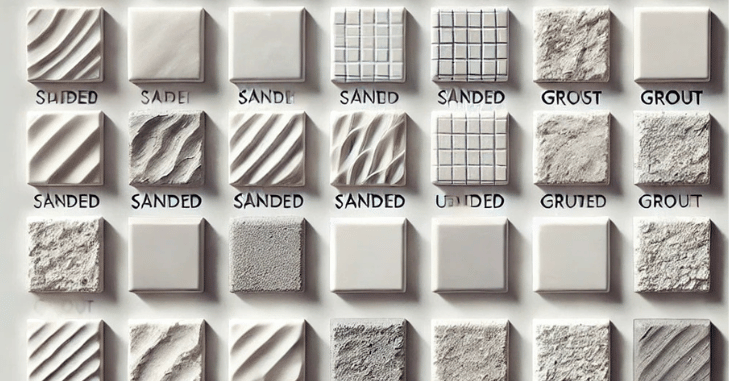
There are two main types of white grout: cement-based and epoxy-based. Each has distinct features and uses.
Cement-Based White Grout
Cement-based grout is the traditional option and is available in both sanded and unsanded varieties.
- Sanded Grout: This contains sand and is suitable for broader grout lines (1/8 inch or more). It’s durable and resists shrinking.
- Unsanded Grout: Free of sand, making it ideal for narrower grout lines (1/8 inch or less). It’s commonly used for walls, countertops, and other areas with minimal tile spacing.
Epoxy-Based White Grout
Epoxy grout is durable, waterproof, and resistant to stains, making it ideal for high-traffic or moisture-prone areas. Although more expensive and challenging to work with, epoxy grout is highly resistant to discoloration and is an excellent choice for kitchens, bathrooms, and outdoor areas.
Right White Grout
Consider the Location
The location of the tile installation is crucial in choosing the right grout type. For high-moisture areas, such as showers and backsplashes, epoxy grout is recommended due to its water-resistant properties. For less humid areas, cement-based grout is typically suitable.
Evaluate Your Lifestyle
If you have a busy lifestyle and require low-maintenance options, epoxy grout may be preferable due to its stain resistance. However, cement-based white grout is a cost-effective choice if you prefer traditional grout and don’t mind regular maintenance.
Grout Line Width
The width of the grout line should guide your decision.
- Broad Grout Lines: Use sanded grout for wider gaps, as it prevents cracking and shrinking.
- Narrow Grout Lines: For a seamless look, unsanded grout is best for narrow grout lines.
Tips for White Grout
Proper installation of white grout ensures a professional look and minimizes maintenance efforts. Follow these tips for optimal results:
Prepare the Surface
Clean the tiles and ensure the area is free of dust and debris. Use spacers to keep tile lines consistent and even.
Mix the Grout Properly
Follow manufacturer instructions carefully when mixing white grout. Improper mixing can affect the grout’s consistency and durability.
Apply with a Grout Float
You are applying a grout float at a 45-degree angle to work it into the joints. Wipe excess grout with a damp sponge, but avoid over-wetting, which can dilute the color.
Seal the Grout
Sealing white grout is essential for preventing stains and discoloration. Use a high-quality grout sealer and reapply it every six to twelve months, depending on the area’s usage.
Practical Application and Installation Considerations for White Grout
When installing white grout, proper application technique plays a crucial role in achieving both durability and a clean finish. It is important to ensure that tile joints are completely free of adhesive residue before grouting, as leftover material can affect bonding and lead to uneven coloring. During application, grout should be pressed firmly into the joints to eliminate air gaps, which helps prevent future cracking or water penetration.
Timing is also essential; wiping off excess grout too early can weaken the joints, while leaving it too long can make cleaning difficult. A balanced curing process allows the grout to harden evenly, resulting in stronger adhesion and a smoother, more consistent appearance across the tiled surface.
Maintenance Tips
White grout maintenance requires routine cleaning and occasional re-sealing to maintain its brightness.
Use a gentle pH-neutral cleaner to avoid discoloration. Avoid using harsh chemicals that may damage the grout or cause fading. Weekly or biweekly cleaning is typically sufficient.
Prevent Stains
White grout can stain easily, so wipe spills immediately. Remove excess moisture after showers to prevent mold and mildew growth in bathrooms.
Re-seal Periodically
Grout sealer wears down over time, so reapply it regularly. This step will protect white grout from absorbing dirt and moisture, reducing the chance of staining.
Common Issues
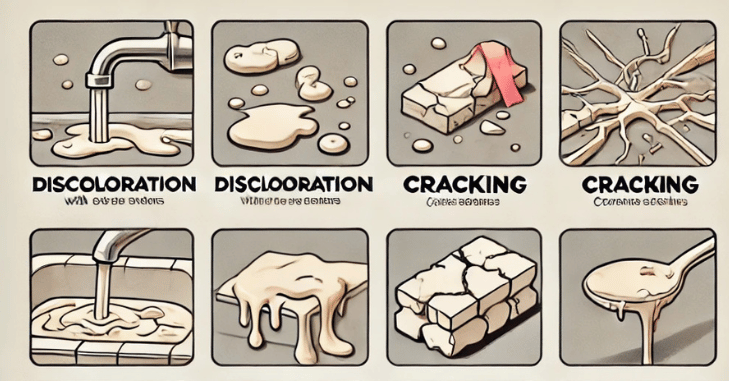
White grout can face particular issues over time. Here’s how to address common problems:
Discoloration and Staining
White grout is prone to discoloration due to spills, dirt, and moisture. Using a high-quality grout sealer and following regular cleaning routines can prevent stains.
Mold and Mildew Growth
In moisture-prone areas, mold and mildew can develop on white grout. Use anti-fungal cleaners and ensure proper ventilation to reduce this risk.
Cracking
Grout may crack over time, especially in areas with wide gaps. Choosing the right grout type and applying it correctly can help prevent cracks.
Alternatives
If white grout’s maintenance requirements are a concern, consider the following alternatives:
Light Gray Grout
Light gray grout provides a similar effect to white grout but is less prone to visible stains. It’s a good compromise for those who want a light, clean look without frequent upkeep.
Colored Grout
Various grout colors, beige, tan, or black, are available. These options allow more personalization and highlight tile design without requiring the intensive maintenance of white grout.
Epoxy Grout with Additives
Some epoxy grouts come with additives that mimic the look of white grout but with enhanced stain resistance. This option is ideal for those who want a low-maintenance solution with a similar aesthetic.
Conclusion
White grout is a versatile and stylish choice that can transform the look of tiled spaces. Although it requires more maintenance than darker grout options, its elegance and aesthetic appeal make it popular among homeowners and designers.
By choosing the right type, following proper installation techniques, and committing to a maintenance routine, you can enjoy the beauty of white grout for years to come.
Apart from that if you want to know about “Enhancing Your Home with Batten Board Wall: Design, Installation, and Style Tips for a Modern Aesthetic” then please visit our “Interior Design” Category.
FAQs
White grout is always popular and creates a fresh look with any tile color.
One of the most common grout applications is filling gaps and sealing joints, like the spaces between tiles.
What is the benefit of grout?
It prevents moisture from seeping into the substrate, straightens tile lines, and keeps tiles from cracking or rubbing against each other.