Introduction
Hardwood floor wax is a timeless solution for preserving and enhancing the natural beauty of wood floors. It serves as both a protective barrier and a finishing touch, offering a rich, polished look that highlights the grain and texture of the wood.
Whether you’re restoring old floors or maintaining new ones, hardwood floor wax can shield against scratches, spills, and wear, extending the life of your flooring. With its ability to add warmth and elegance, this versatile product remains a go-to choice for homeowners seeking to balance durability and style.
| Section | Details |
| Introduction | Hardwood floor wax is a timeless solution for preserving and enhancing the natural beauty of wood floors. It adds a polished look and protects against scratches and spills. |
| Key Functions | Protection, Aesthetic, Enhancement, Durability. |
| Types | Paste Wax Liquid Wax Water-Based Wax |
| Benefits | Enhanced appearance Increased durability Cost-effective Eco-friendly |
| Application Steps | Prepare the floor Apply Wax Buff the floor |
| Maintenance Tips | Clean regularly, Avoid excess moisture, Reapply Wax periodically, and Use furniture pads. |
| Conclusion | Hardwood floor wax ensures durability and style. It maintains to keep your floors stunning for years. |
Hardwood Floor Wax
Hardwood floor wax is a protective finish applied to wood floors to enhance their shine, durability, and longevity. It creates a barrier against scratches, stains, and moisture, ensuring your floors maintain their aesthetic appeal over time.
Critical Functions of Floor Wax
- Protection: shields the floor from daily wear and tear.
- Aesthetic Enhancement: Adds a polished, glossy finish.
- Durability: extends the life of hardwood floors.
Types of Hardwood Floor Wax
Understanding the types of Wax available will help you choose the right product for your floor.
Paste Wax
- Characteristics: thick, rich consistency.
- Best For: Traditional hardwood floors with no polyurethane finish.
- Advantages: Offers a deep, natural luster.
- Drawbacks: Requires regular maintenance.
Liquid Wax
- Characteristics: Easier to apply than paste wax.
- Best for: Floors with light wear.
- Advantages: Quick application.
- Drawbacks: It may not offer the same depth of shine as paste wax.
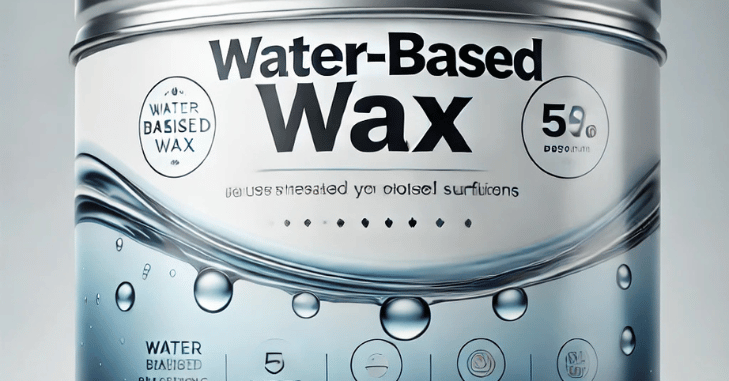
Water-Based Wax
- Characteristics: eco-friendly and low odor.
- Best For: Modern homes and environmentally conscious homeowners.
- Advantages: Quick drying and easy cleanup.
- Drawbacks: It may not be as durable as solvent-based waxes.
Oil-Based Wax
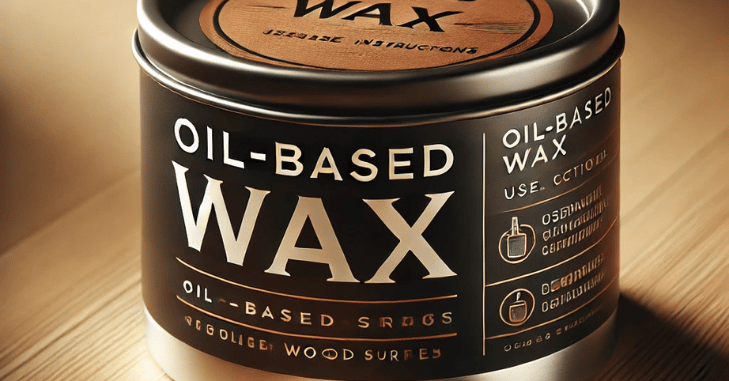
- Characteristics: Traditional option for hardwood floors.
- Best For: High-traffic areas.
- Advantages: Durable and long-lasting.
- Drawbacks: Longer drying time and higher VOC content.
Benefits of Using Hardwood Floor Wax
Why should you consider waxing your hardwood floors? Here are some compelling reasons:
Enhanced Appearance
Wax brings out the natural beauty of the wood grain, giving your floor a polished, sophisticated look.
Increased Durability
It protects against everyday damage, including scratches and spills.
Cost-Effective Maintenance
Floor wax is an affordable solution to prolong the life of your hardwood floors.
Eco-Friendly Options
Water-based waxes are safe for your home and the environment.
Right Hardwood Floor Wax
Selecting the suitable Wax depends on several factors:
Floor Type
Ensure your floor is compatible with Wax. Wax is suitable for unfinished or previously waxed floors, not polyurethane-finished ones.
Traffic Levels
Choose a durable option like paste or oil-based Wax for high-traffic areas.
Desired Finish
Decide whether you want a glossy, matte, or satin finish.
Compatibility and Surface Suitability of Hardwood Floor Wax
Before applying hardwood floor wax, it is important to ensure that the flooring surface is suitable for waxing, as not all wood finishes respond well to wax treatments. Wax is generally recommended for unfinished wood, penetrating oil finishes, or floors that were previously waxed, while it should be avoided on polyurethane-coated or factory-sealed hardwood floors.
Applying wax on incompatible surfaces can lead to poor adhesion, streaking, or a cloudy finish that is difficult to remove. Checking the manufacturer’s flooring guidelines before application helps prevent damage and ensures the wax performs effectively, delivering a smooth, durable, and visually appealing result.
Apply Hardwood Floor Wax
Applying Wax requires precision and the right tools. Follow these steps for a flawless finish:
Prepare the Floor
- Sweep and vacuum to remove dirt and debris.
- Mop the floor with a damp (not wet) cloth to remove residue.
- Let it dry completely.
Apply the Wax
- Choose the suitable applicator (cloth, sponge, or specialized applicator pad).
- Apply a thin layer of Wax in small sections.
- Follow the grain of the wood for an even finish.
Buff the Floor
- Allow the Wax to dry for the recommended time (refer to the product instructions).
- Use a clean, soft cloth or a buffing machine to polish the floor.
Tips for Maintaining Waxed Hardwood Floors
Proper care ensures your waxed floors stay beautiful for years.
Clean Regularly
Sweep or vacuum daily to prevent dirt from scratching the surface.
Avoid Excess Moisture
Never use a wet mop, as water can damage waxed floors.
Reapply Wax Periodically
Reapply Wax every 6–12 months, depending on wear and tear.
Use Furniture Pads
Protect the floor from scratches caused by furniture movement.
Common Mistakes to Avoid
When waxing hardwood floors, steer clear of these pitfalls:
Using the Wrong Wax
Always check compatibility with your floor type.
Skipping Preparation
Failing to clean the floor thoroughly can trap dirt under the Wax.
Overusing Wax
Excessive wax buildup can make the floor slippery and dull.
Conclusion
Hardwood floor wax is a practical and cost-effective solution for maintaining the charm of your wooden floors. By selecting the correct type of wax, applying it correctly, and maintaining it diligently, you can ensure your hardwood floors remain a stunning centerpiece in your home for years.
Invest in quality floor wax and follow the steps outlined in this guide to enjoy long-lasting, beautiful hardwood floors.
Apart from that if you want to know about “Best Paint for Bricks: Bricks Exterior, Benefits, Their Types, Tips for Maintenance, and More Info” then please visit our “Interior Design” Category.
FAQs
It is challenging to get rid of. Polyurethane coatings are more durable than natural wax finishes.
Certain flooring kinds are not appropriate for wax.
Use a mop and a microfiber dusting pad to dry mop floors. Clean up spills right away.
Floors should be rewaxed at the intervals recommended by the floor’s manufacturer. Whether liquid or solid, wax coats usually last one to two years.