

Choosing between polycrylic and polyurethane can seem confusing because both create a clear protective coating over wood. The biggest difference is that Polycrylic is a specific Minwax water-based protective finish, while polyurethane describes a broader category of durable finishes that includes both oil-based and water-based formulas. Your best choice depends on the surface, expected wear, desired color, available drying time, and where the finished project will be used.
For many indoor furniture and woodworking projects, Polycrylic is appealing because it dries clear, has relatively low odor, and cleans up with soap and water. Polyurethane, particularly an oil-based formula, is usually the stronger choice when durability and resistance to regular wear matter more than maintaining a completely colorless appearance. However, modern water-based polyurethane complicates the comparison because it can also provide a clear appearance, fast drying, and water cleanup.
Quick answer: In the polycrylic vs polyurethane comparison, choose Polycrylic for light-colored indoor wood projects where a crystal-clear finish and fast cleanup matter. Choose a project-appropriate polyurethane when you need greater wear protection, especially for heavily used furniture or floors, while remembering that water-based and oil-based polyurethane perform and look differently.
Polycrylic vs Polyurethane at a Glance
| Feature | Polycrylic | Polyurethane |
|---|---|---|
| Basic type | Water-based protective finish | Broader finish category available in water- and oil-based formulas |
| Color | Crystal clear and non-ambering | Water-based can stay clear; oil-based typically adds warmth or amber/golden color |
| Best for | Interior furniture, cabinets, doors, trim, and light woods | Furniture, cabinets, doors, trim, and some floor applications |
| Floor use | Standard Minwax Polycrylic is not recommended for floors | Certain polyurethane products are specifically suitable for floors |
| Recoat time | About 2 hours for standard Minwax Polycrylic | Often about 2 hours for water-based products; roughly 3–6 hours for many oil-based formulas |
| Cleanup | Soap and water | Water for water-based formulas; mineral spirits or paint thinner for many oil-based formulas |
| Odor | Lower odor | Lower for water-based; stronger for traditional oil-based products |
| Appearance | Preserves a clear, natural look | Can be crystal clear or add warm depth depending on formula |
| Typical strength | Good protection for normal interior use | Often preferred when heavier wear resistance is required |
| Exterior use | Standard Polycrylic is for interior projects | Only use a polyurethane or urethane specifically labeled for exterior exposure |
Product formulas differ, so the label on the exact finish you buy should always take priority over a general comparison. For example, Minwax recommends three coats of its standard Polycrylic and specifically says that product is not recommended for floors, while its polyurethane lineup includes products intended for floors. Rust-Oleum also sells both crystal-clear water-based polyurethane and oil-based polyurethane, showing why “polyurethane” should not automatically be treated as another name for a slow-drying amber finish.
What Is Polycrylic?
Polycrylic is the name Minwax uses for its water-based protective topcoat for interior wood projects. Standard Minwax Polycrylic dries crystal clear, is described as non-yellowing and non-ambering, and can be cleaned from application tools with soap and water. The manufacturer lists furniture, woodwork, doors, and cabinets among its intended uses.
Those characteristics make PolyCrylic especially useful when you do not want a clear coat to noticeably warm the color of pale wood. Maple, ash, and birch are specifically listed by Minwax as suitable wood species, and the product can also be used over compatible oil- and water-based stains once the underlying finish has dried according to its directions. Minwax recommends testing and following special compatibility instructions because certain stain colors and existing coatings can affect which topcoat should be used.
Application speed is another advantage for weekend DIY projects. Standard Polyurethane can be recoated after at least two hours under the manufacturer’s specified conditions, with three coats recommended and normal use allowed after 24 hours following the final coat. Because fast-drying finishes can begin setting while they are being brushed, thin coats and limited overbrushing generally produce better results.
What Is Polyurethane?
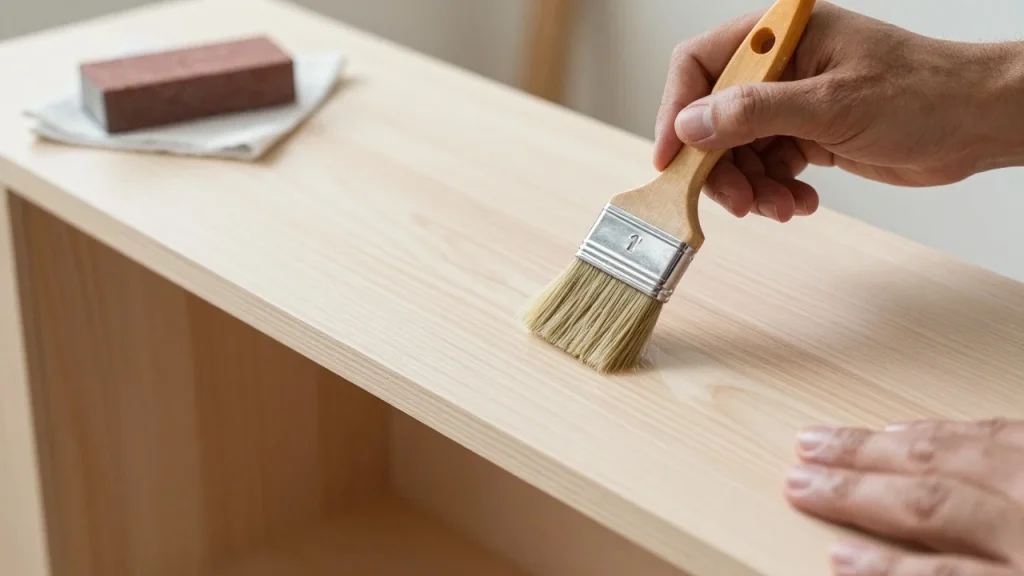
Polyurethane is a synthetic resin used in durable protective wood finishes rather than a single product formula. Traditional oil-based polyurethane is valued for abrasion resistance, scratch protection, and the warm appearance it gives wood, while water-based polyurethane can offer a clearer finish with faster drying and easier cleanup. This distinction matters because comparing Polycrylic only with oil-based polyurethane can make the broader category seem less versatile than it actually is.
Oil-based polyurethane tends to deepen the appearance of wood by adding a warm or golden tone. Varathane, for example, describes its oil-based polyurethane as providing a rich golden glow and scratch and stain resistance, while Minwax describes its oil-based polyurethane as one of its most durable coatings for protection against scratches and spills. This warmer appearance can be attractive on oak, walnut, darker stains, and traditional furniture where added depth is desirable.
Water-based polyurethane offers a different balance. Varathane’s current water-based polyurethane is marketed as crystal clear, low odor, fast-drying, and suitable for soap-and-water cleanup, with a two-hour recoat time. That means homeowners who want polyurethane durability do not necessarily have to accept the stronger odor, solvent cleanup, or warm coloration associated with classic oil-based products.
7 Key Differences Between Polycrylic and Polyurethane
1. Polycrylic Stays Clear While Oil-Based Polyurethane Adds Warmth
Appearance is one of the easiest differences to see. Minwax describes Polycrylic as crystal clear, non-yellowing, and non-ambering, while oil-based polyurethane products are commonly formulated to give wood additional warmth. If maintaining the original appearance of pale wood is a priority, that makes Polycrylic or a compatible crystal-clear water-based polyurethane a logical starting point.
The warmer color of oil-based polyurethane is not necessarily a disadvantage. On medium and dark woods, that extra depth can make the grain appear richer and can complement traditional stained furniture. The right finish is therefore partly a design decision rather than simply a question of which product is technically stronger.
2. Polyurethane Usually Offers More Heavy-Duty Options
For high-wear surfaces, polyurethane provides more product choices designed around demanding service conditions. Minwax lists polyurethane products for furniture, cabinets, doors, and floors, while its standard Polycrylic instructions specifically advise against using that product on flooring because high traffic would require more frequent recoating. This makes polyurethane the more practical category to investigate for a floor or another surface that receives substantial daily wear.
That does not mean every can labeled polyurethane is automatically suitable for hardwood flooring. Manufacturers sell different polyurethane formulations for furniture, general interior use, and floors, and some individual polyurethane products specifically exclude floor applications. Always confirm that the exact product label names your intended surface before applying it.
If you are comparing coatings for an existing wood floor, HausFixr’s guide to hardwood floor wax also explains why wax and polyurethane-finished flooring require different maintenance approaches. Wax should not simply be applied over a polyurethane-coated floor without checking compatibility. Knowing what finish is already present can prevent adhesion problems and unnecessary refinishing work.
3. Polycrylic Normally Dries Faster Than Oil-Based Polyurethane
Standard Minwax Polycrylic allows recoating after at least two hours, which makes multiple coats possible without stretching a small project across several days. Traditional oil-based polyurethane generally needs longer between coats, although modern fast-drying formulas have shortened those times considerably. Minwax currently lists a roughly three-to-four-hour recoat time for one of its fast-drying oil-based polyurethane products.
Water-based polyurethane can be nearly as convenient as Polycrylic. Varathane’s water-based polyurethane, for example, can also be recoated after two hours, which means “Polycrylic is fast and polyurethane is slow” is no longer an accurate rule by itself. Compare the actual bases and product instructions rather than relying only on the word polyurethane.
4. Cleanup Depends on Whether the Finish Is Water- or Oil-Based
Polycrylic is water-based and allows soap-and-water cleanup. Water-based polyurethane commonly offers the same convenience, which is useful when working in a home workshop or completing a relatively small furniture project. Oil-based polyurethane normally requires mineral spirits or paint thinner for cleaning brushes and related equipment.
Oil-based products also require more attention to ventilation and waste handling. Minwax warns that solvent vapors from its oil-based polyurethane require adequate ventilation and that oil-soaked rags or sanding waste can present a spontaneous-combustion hazard if discarded incorrectly. Read the current label and safety data for the exact product you use rather than assuming every clear finish has the same precautions.
5. Polycrylic Is Often Better When Color Preservation Matters
A crystal-clear coating can be especially valuable on blonde woods and finishes where the existing color is part of the design. Polycrylic is intended to stay clear instead of developing the warm amber appearance associated with many traditional oil-based clear coats. That makes it a strong option for projects where visual neutrality matters as much as protection.
Oil-based polyurethane is often preferable when warmth is part of the desired result. It can enhance grain and create a richer appearance that works particularly well with traditional wood tones. Before committing to either finish, apply the full stain-and-topcoat system to a scrap or hidden area because the final color can look different from the unfinished or freshly stained wood.
6. Polycrylic Can Be Less Forgiving During Application
Polycrylic’s fast dry time is convenient, but it also gives you less time to correct brush marks once the film begins setting. Minwax specifically advises applying a thin coat in the direction of the grain and avoiding overbrushing. Working methodically, maintaining a wet edge, and resisting the urge to repeatedly brush an area can help produce a smoother surface.
Traditional oil-based polyurethane generally gives the coating more time to flow and level before it sets, although exact behavior varies by formula. Rust-Oleum describes one current oil-based polyurethane as self-leveling, while its water-based product is also designed to create a smooth self-leveling finish. Application characteristics should therefore be compared product by product instead of assuming one entire finish category always brushes more easily.
7. Neither Standard Interior Finish Should Automatically Be Used Outdoors
Standard Minwax Polycrylic is intended for interior projects, and ordinary interior polyurethane should not be assumed to provide exterior weather protection. Outdoor wood experiences sunlight, moisture, and movement caused by temperature changes, so exterior formulations are designed around different conditions. A product specifically labeled as spar urethane or exterior polyurethane is generally the appropriate category to investigate for doors, outdoor furniture, railings, and similar exposed wood.
Minwax’s exterior-rated water-based spar urethane, for example, includes protection intended for exposure to sunlight, water, salt, and weather. Rust-Oleum likewise markets an outdoor water-based spar urethane with UV and weather protection. The important point is to follow the exterior rating on the label rather than choosing a coating solely because “polyurethane” or “urethane” appears in its name.
Polycrylic vs Polyurethane: Which Is Best for Each Project?
Furniture
For decorative furniture, shelving, side tables, and other moderate-use indoor pieces, Polycrylic provides a clear appearance and convenient water cleanup. It is particularly attractive when you want a light wood or stain color to remain visually unchanged. Heavily used dining tables, desks, and similar surfaces may benefit from a polyurethane product selected for stronger wear resistance.
Cabinets
Both finishes can work well on interior wood cabinets when the exact coating is compatible with the underlying stain or paint. Polycrylic makes sense when color clarity and lower odor are priorities, while polyurethane offers more choices when you want additional wear resistance or a warmer wood tone. For cabinets in moisture-prone rooms, pay especially close attention to the manufacturer’s surface and moisture-use recommendations rather than assuming a clear coat makes the underlying material waterproof.
HausFixr’s guide on how to paint bathroom tile illustrates the same broader principle: coatings in bathrooms must be selected with moisture exposure and compatibility in mind. A product that performs well on a bedroom shelf may not be the best system for a frequently damp area. Matching the coating to the environment is more important than choosing a finish based on name recognition alone.
Hardwood Floors
For floors, standard Polycrylic is not the recommended choice. Minwax specifically directs users toward polyurethane or a dedicated floor finish because Polycrylic would require more frequent recoating under high traffic. Choose a polyurethane that is explicitly rated for floors, since some polyurethane products are manufactured only for furniture, doors, cabinets, and trim.
Mantels and Interior Woodwork
A fireplace mantel that remains within required clearance distances can be finished with a suitable interior wood topcoat, and the appearance you want will usually drive the Polycrylic-versus-polyurethane decision. A clear water-based coating can preserve a pale or modern look, while an oil-based polyurethane can add warmth to stained traditional wood. HausFixr’s fireplace mantel guide covers the construction, staining, protective finishing, and installation considerations that come before the final clear coat.
Painted Wood
For painted furniture or trim, compatibility deserves more attention than the generic finish name. Allow the paint to cure as its manufacturer requires, then verify that the selected clear coat can be applied over that paint system without affecting adhesion or color. Testing the complete paint-and-topcoat combination on an inconspicuous spot is especially worthwhile on white, pastel, or strongly colored finishes.
How to Apply Polycrylic or Polyurethane Successfully
Start with a surface that is dry, clean, smooth, and free of wax, grease, polish, dust, and failing old finish. Sanding requirements vary with the existing surface and product, but both Minwax and Rust-Oleum emphasize proper surface preparation before topcoating. Removing sanding dust thoroughly is essential because trapped particles can become visible in a clear finish.
If you are still improving your sanding technique, HausFixr’s sanding guide explains useful fundamentals such as choosing suitable grits, controlling dust, and using light, even pressure. Wood finishing requires product-specific sanding grits, but the same principle applies: preparation affects how professional the finished surface looks. Follow the clear-coat manufacturer’s grit and intercoat-sanding instructions rather than copying drywall grits directly.
Stir brush-on clear finishes according to their labels rather than shaking them unless the manufacturer explicitly directs otherwise. Minwax tells users not to shake either standard Polycrylic or its fast-drying brush-on polyurethane because agitation can contribute to bubbles in the finish. Thin, even coats are generally preferable to trying to build the entire protective film in one heavy application.
Respect recoat, handling, and normal-use times separately because they do not mean the same thing. A coating may feel dry enough to sand or touch well before it is ready for normal service, furniture placement, rugs, or heavy wear. Temperature, humidity, wood species, coating thickness, and the underlying stain can also change drying behavior, so the product label should remain your final timing reference.
Common Mistakes to Avoid
- Assuming all polyurethane is oil-based and amber-colored.
- Using standard Polycrylic on hardwood floors despite the manufacturer’s recommendation.
- Choosing an interior clear coat for outdoor furniture or exterior doors.
- Applying a topcoat before the stain or paint beneath it has dried sufficiently.
- Shaking a brush-on finish when the label says to stir it.
- Applying thick coats in an attempt to reduce the number of applications.
- Repeatedly brushing fast-drying Polycrylic after it has started setting.
- Ignoring ventilation and solvent-soaked-rag disposal instructions when using oil-based products.
- Skipping a test patch when the final color matters.
- Treating “dry to the touch,” “ready for light use,” and “fully ready for normal use” as the same stage.
So, Is Polycrylic or Polyurethane Better?
Neither finish is universally better because the decision depends on what the project needs to withstand and how you want it to look. Polycrylic is an excellent choice for many interior furniture, cabinet, trim, and decorative wood projects where a crystal-clear appearance, fast recoating, and water cleanup are priorities. Polyurethane gives you a wider range of durability and appearance options, including oil-based finishes that add warmth and water-based products that stay clear and dry quickly.
- For a pale wood bookshelf or lightly used decorative furniture, Polycrylic may be the simpler option.
- For a hardwood floor or heavily used wood surface, start by looking for a polyurethane or dedicated floor finish specifically rated for that level of wear.
- For exterior wood, skip standard interior versions of both and choose an exterior-rated product designed for weather exposure.
Final Thoughts
The simplest way to settle the polycrylic vs polyurethane decision is to start with the project rather than the product name. Choose Polycrylic when preserving a clear appearance, working indoors, and getting convenient water cleanup are high priorities, and explore polyurethane when you need broader durability, color, and application options. Before starting, confirm surface compatibility, indoor or outdoor rating, recoat time, number of coats, ventilation requirements, and full-use instructions on the current product label.
FAQs
Is polycrylic better than polyurethane?
Polycrylic is better when you want a crystal-clear, water-based finish for many interior wood projects and value fast recoating and easy cleanup. Polyurethane is usually the more flexible category when durability requirements are higher because it includes both water- and oil-based options for different applications. The best product is the one specifically rated for your surface and expected level of use.
Which is more durable, polycrylic or polyurethane?
Polyurethane generally offers more heavy-duty product options, particularly for floors and other wear-intensive applications. Minwax does not recommend its standard Polycrylic for floors because high traffic would require more frequent recoating, while it recommends polyurethane or a dedicated floor finish instead. Durability still varies by individual formulation, number of coats, preparation, cure conditions, and how the surface is used.
Does polycrylic turn yellow?
Standard Minwax Polycrylic is marketed as non-yellowing and non-ambering and is designed to dry crystal clear. That makes it useful when preserving the appearance of pale woods and light-colored finishes is important. You should still test the complete stain or paint and topcoat system because the underlying material and coating compatibility can influence the final appearance.
Can I use polycrylic on a dining table?
Polycrylic can be used on suitable interior furniture, so it may work for a dining table when its expected wear matches the product’s performance. A heavily used table may justify considering a more wear-resistant polyurethane system, particularly when spills, repeated cleaning, and abrasion are major concerns. Whichever coating you select, allow it to reach the manufacturer’s specified normal-use condition before putting the table back into regular service.
Can you put polyurethane over polycrylic?
Different clear finishes can sometimes be layered when the existing coating is fully cured, clean, properly prepared, and compatible with the new product. However, compatibility depends on the actual products rather than simply whether one is called Polycrylic and the other polyurethane. Check both manufacturers’ instructions and test a small area before covering an entire project.
Is polycrylic waterproof?
Polycrylic creates a protective coating, and Minwax says it protects against scratches, spills, dirt, and similar everyday exposure. That should not be interpreted as permission to use standard Polycrylic as an exterior waterproofing system or on surfaces that remain wet. For weather-exposed wood, use an exterior-rated product designed specifically for moisture, sunlight, and changing outdoor conditions.
Can I use Polycrylic on floors?
Minwax specifically states that its standard Polycrylic Protective Finish is not recommended for floors. The company explains that high-traffic flooring would require more frequent recoating and instead recommends polyurethane or a dedicated floor finish for greater durability. Always make sure the polyurethane you choose is labeled for floor use because not every polyurethane formula is.

