Introduction
A fireplace mantel is more than a functional addition to your home; it’s a statement piece that defines the character of your living space. Acting as the centerpiece of a room, a well-crafted mantel combines aesthetic appeal with practicality, providing a platform to showcase your style. There is more on this in How Expert Installers in Ashburn, VA Improve Safety During Christmas Lighting Installation.
Whether your design preference leans toward rustic charm, modern minimalism, or classic elegance, creating your DIY mantel offers an opportunity to customize this feature to complement your home perfectly.
| Section | Description |
| Fireplace mantel | A fireplace mantel is a decorative focal point and practical shelf, elevating your home’s ambiance. |
| Purpose | It frames the fireplace, enhances decor, and provides a platform for personal items. |
| Types of Mantels | Options include wooden, stone, metal, floating, and custom designs for various styles. |
| Planning | It involves assessing space, gathering design ideas, and selecting suitable materials. |
| Tools Needed | Essential tools like saws, drills, sandpaper, and finishing products for construction and finishing. |
| Construction Steps | Includes measuring, cutting, assembling, sanding, finishing, and securely installing the mantel. |
| Decorating | Tips for personalizing the mantel with seasonal decor, artwork, and accessories. |
| Maintenance | Regular cleaning, avoiding heavy loads, and reapplying protective finishes when necessary. |
| Conclusion | Building a mantel is a creative project that adds functionality and charm to your home. |
Fireplace Mantal
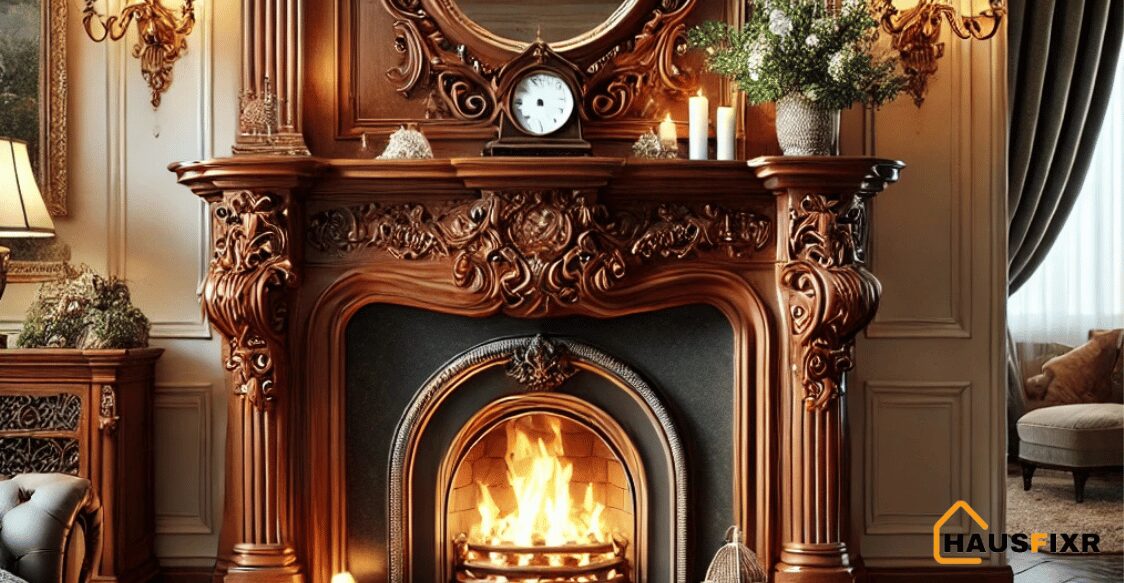
A fireplace mantel serves as a focal point in any living space, offering both aesthetic appeal and functional benefits. Crafting your mantel allows customization to match your home’s style while providing a sense of accomplishment.
This comprehensive guide will walk you through building a DIY fireplace mantel, covering design considerations, material selection, step-by-step construction, and finishing touches.
Purpose of a Fireplace Mantel
A fireplace mantel is more than just a decorative shelf; it frames the fireplace, enhances the room’s ambiance, and provides a platform for displaying personal items. Whether your style is rustic, modern, or traditional, a well-designed mantel can elevate your interior decor.
Types of Fireplace Mantels
Fireplace mantels come in diverse styles and materials, each designed to suit specific aesthetic and functional needs.
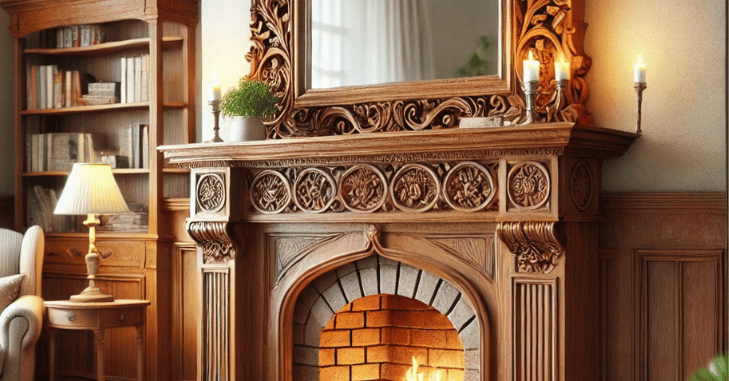
Wooden Mantels: These are versatile and highly customizable, ideal for staining or painting to match various interior styles. From rustic reclaimed wood to intricately carved traditional designs, wooden mantels are timeless.
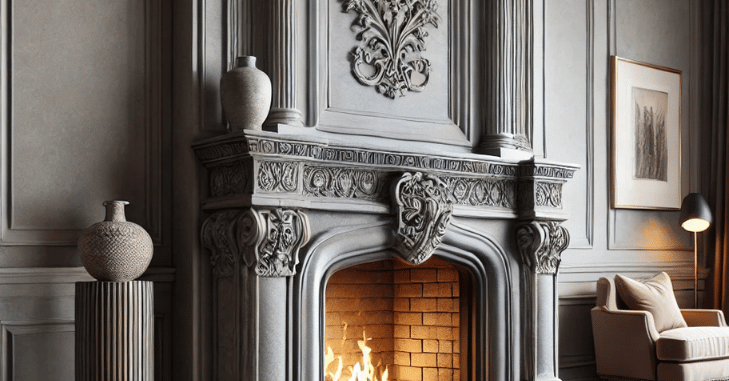
Stone Mantels: Crafted from durable materials like marble, limestone, or granite, stone mantels exude elegance and are perfect for classic or luxury interiors.
Metal Mantels: With materials such as stainless steel or wrought iron, metal mantels offer a sleek, modern look that complements contemporary or industrial decor.

Floating Mantels: Minimalistic in design, these mantels provide a clean, streamlined appearance without excessive detailing, making them ideal for modern or compact spaces.

Custom Mantels: For a truly personalized touch, custom mantels allow you to combine materials like wood, tile, or concrete, offering endless possibilities to match eclectic or unique styles.

Planning of Fireplace Mantel
Assessing Your Space
Begin by evaluating the area around your fireplace. Measure the width, height, and depth to determine the appropriate mantel size. Consider the proportions of the room and the fireplace to ensure the mantel complements the existing architecture.
Design Inspiration
Gather ideas by exploring various mantel designs. Websites like The Spruce offer many styles, from minimalist to ornate. Decide whether you prefer a floating mantel, a full surround, or a shelf-style design.
Selecting Materials
Wood Types
The choice of wood significantly impacts the mantel’s appearance and durability. Common options include:
- Pine: affordable, easy to work with, but softer and more prone to dents.
- Maple: Hard and smooth, ideal for painting.
- Oak: Durable with a prominent grain, suitable for staining.
Reclaimed Wood
For a rustic look, consider using reclaimed wood. It adds character and is environmentally friendly. Ensure the wood is properly treated and free from pests.
Tools Needed
Before starting, gather the necessary tools and materials:
- Measuring tape
- Circular or miter saw
- Drill and bits
- Sandpaper or orbital sander
- Wood glue
- Screws and nails
- Level
- Stain or paint
- Protective finish (e.g., polyurethane)
Step-by-Step Construction Guide
Measuring and Cutting
Measure the desired length and depth of your mantel. Cut the wood pieces accordingly:
- Top Shelf: Cut to the full length and desired depth.
- Front Face: Same length as the top shelf, with a height matching your design.
- Side Pieces: Depth of the mantel minus the thickness of the front face.
Assembling the Mantel Box
- Create a hollow box structure:
- Attach the front face to the top shelf using wood glue and screws.
- Secure the side pieces to the assembly, ensuring all edges are flush.
Sanding
Smooth all surfaces and edges using sandpaper or an orbital sander. Start with a lower grit (e.g., 80) and progress to a higher grit (e.g., 220) for a fine finish.
Finishing
- Apply your chosen stain or paint. For staining:
- Apply a wood conditioner to ensure even absorption.
- Apply the stain with a brush or cloth, following the wood grain.
- Wipe off excess stain and let it dry.
For painting
- Apply a primer suitable for wood.
- Paint with your chosen color, allowing adequate drying time between coats.
- After staining or painting, apply a protective finish like polyurethane to seal and protect the wood.
Installation
- Mounting the mantel securely is crucial.
- Locate the wall studs above your fireplace.
- Install a ledger board (a horizontal support) onto the studs.
- Slide the mantel over the ledger board and secure it with screws from the top or bottom, ensuring its level.
Safety Considerations
Ensure the mantel is installed safely from the fireplace opening to prevent heat damage. Consult local building codes for specific clearance requirements.
Decorating of Mantel
Once installed, personalize your mantel with decor items:
- Seasonal Decorations: Change decor to reflect holidays or seasons.
- Artwork: Hang a mirror or painting above the mantel.
- Candles and Plants: Add warmth and life to the space.
Maintenance Tips
Regularly dust the mantel and avoid placing heavy objects that could cause sagging. If the finish shows signs of wear, consider reapplying a protective coat.
Conclusion
Building a DIY fireplace mantel is a rewarding project that enhances your home’s aesthetic and provides a personal touch. Following this guide, you can create a beautiful and functional mantel that reflects your style and craftsmanship.
Apart from that if you want to know about “The Ultimate Guide to Hardwood Floor Wax: Types, Benefits, and Everything You Need to Know” then please visit our “Interior Design” Category.
FAQs
Anyone may tackle the excellent starting-building job of creating a fireplace mantel.
Many mantel-kit manufacturers advise using silicone caulk or nailing the piece through the shelf straight to the wall.
These are little brackets that are screwed to the wall and positioned around the perimeter of the fire surround.