
Introduction
If you’re renovating a bathroom or upgrading your shower curtain, understanding the average shower curtain size is essential. Selecting the right size ensures your curtain perfectly fits your tub or shower stall.
Keep water where it belongs and enhance your bathroom’s appearance. This guide covers everything you need about shower curtain dimensions, standard sizes, and tips for choosing the right one.
| Section | Description |
| Average Shower Curtain Size | The standard size is 72×72 inches, ideal for most showers and tubs, providing sufficient width and length to contain water and prevent floor splashes. |
| Other Common Sizes | Includes smaller options like 70×70 inches, extra-wide options (up to 108 inches), and extra-long options (up to 96 inches) for unique shower setups. |
| Types | Options include fabric (Polyester, cotton), vinyl, plastic, and custom curtains, each with specific benefits like durability, easy cleaning, or a tailored fit. |
| Measuring for Curtain | Key steps include measuring width and height and considering shower rod shape to ensure proper coverage and fit. |
| Tips for Choosing Size | Factors to consider include rod placement, bathroom style, and shower type to ensure a cohesive and functional fit. |
| Impact on Size | Material types (cotton, Polyester, vinyl) can influence the weight, durability, and size. |
| Custom Solutions | Custom options for unique setups like extra-wide, high-ceiling, or curved showers ensure tailored coverage and style. |
Average Shower Curtain Size
Usually, the standard shower curtain size is 72 inches wide by 72 inches long. This size is ideal for most bathtub and shower stall setups. It provides enough width to cover the opening without being too loose or tight and enough length to reach the tub edge, preventing water from splashing onto the floor.
Why 72×72 inches?
The 72×72-inch dimension has become an industry standard because it fits most residential showers and bathtubs. This size allows for adequate coverage without bunching up, making it visually appealing and functional.
Other Common Shower Curtain Sizes
While 72×72 inches is the most common, other sizes might be better suited for unique shower setups. Here are some popular alternatives:
a. 70×70 Inches
A 70×70-inch curtain may be better for more minor showers or tubs. It still provides good coverage but can reduce the bulk in compact bathrooms.
b. Extra-wide curtains (up to 108 inches)
Extra-wide shower curtains are available for more extensive or custom showers, ranging from 84 to 108 inches in width. These curtains work well with extended or curved shower rods.
c. Extra-long curtains (up to 96 inches)
Extra-long curtains are available for those with higher ceilings or standalone showers, extending up to 96 inches in length. These curtains provide full coverage, especially in modern, high-ceiling bathrooms.
Types of Shower Curtains
a. Fabric Shower Curtains
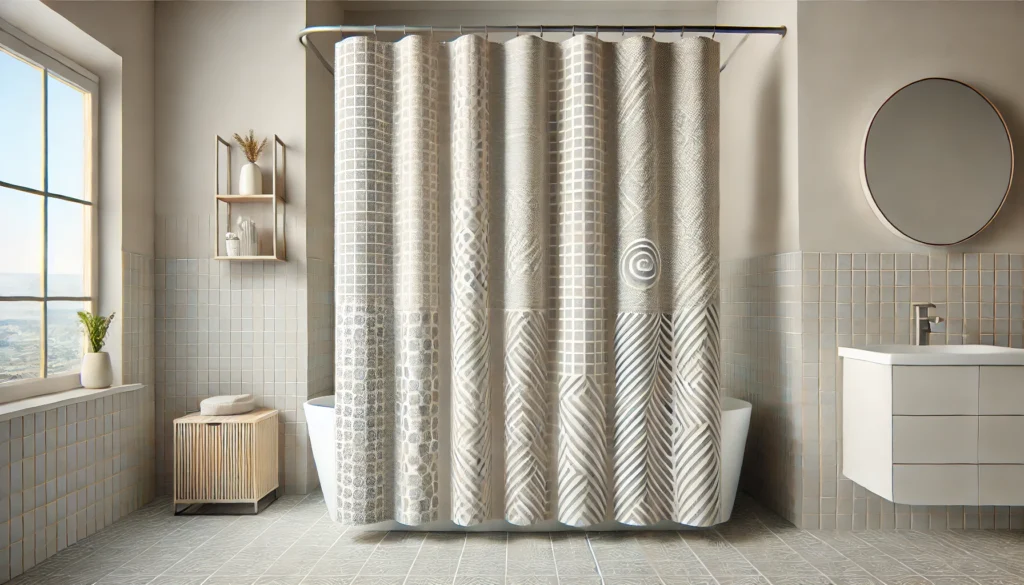
Fabric shower curtains are made from Polyester, cotton, or microfiber materials. They’re available in various sizes; some are designed to be paired with a vinyl liner.
b. Vinyl or Plastic Shower Curtains
Vinyl and plastic curtains are more affordable and more accessible to clean, but they come in fewer size options. They’re usually in standard sizes, like 72×72 inches.

c. Custom Shower Curtains
Custom curtains can be ordered for uniquely sized showers. Although more expensive, they ensure a perfect fit and can be tailored to match any bathroom style.

Measuring for a Shower Curtain
Getting the correct measurements ensures a perfect fit. Follow these steps:
- Measure the Width: Measure the width of your shower or tub area. Add 12 inches to this measurement for complete coverage to account for any folds.
- Measure the Height: Measure from the curtain rod to the floor or tub edge. Select a curtain length that hangs a few inches above the floor to prevent water from seeping out.
- Choose Based on Shower Rod Shape: Consider a wider curtain for adequate coverage if you have a curved or L-shaped shower rod.
Tips for Choosing the Right Shower Curtain Size
a. Think About Rod Placement
Curtain rods installed higher than average will require longer curtains, while lower-mounted rods may need shorter curtains.
b. Choose According to Bathroom Style
If you prefer a more streamlined look, consider getting a curtain that fits the tub or shower without excess material. A wider curtain can create a more luxurious, pleated look.
c. Consider the Shower Type
For walk-in showers, broader and longer curtains work best. For standard tubs, the typical 72×72-inch size is usually ideal.
Materials and Their Impact on Size
Different materials can impact the curtain’s weight and durability, indirectly influencing your chosen size. Here’s a breakdown of popular materials:
a. Cotton or Linen
These are popular choices for their soft, natural feel. They often come with extra-width options, providing a luxurious look in larger bathrooms.
b. Polyester
Polyester curtains are durable and available in various sizes, from standard to extra-wide.
c. Vinyl or Plastic
Vinyl curtains are best for standard sizes, especially if you need a primary, waterproof option that’s easy to clean.
Liners and How They Affect Sizing
A liner is essential to keep it dry and clean if you’re using a fabric shower curtain. Liners are typically the same size as the outer curtain but can sometimes be shorter or narrower.
- Standard Liner Size: 70×70 inches or 72×72 inches
- Extra-Wide Liner Size: Up to 108 inches in width
- Extra-Long Liner Size: Up to 96 inches in length
Ensure the liner matches or is slightly smaller than your curtain to avoid visible overhang.

Sizes and Custom Solutions
You might require a custom-sized curtain if you have an unusual shower setup. Here are some ideas:
- Extra-Wide Showers: Consider multiple 72-inch curtains or one wide custom piece if your shower extends beyond the typical width.
- Tall Ceilings: Use an extra-long curtain if your shower rod is installed higher than usual.
- Curved or Circular Showers: Curtains with increased width are ideal, providing coverage around the curve without stretching.
Conclusion
Average shower curtain size is essential for a functional and stylish bathroom. Always measure your shower or tub area first, and consider the type of rod and material you prefer. With the variety of options available today, finding the right size and style for your bathroom has never been easier.
Investing in the correct curtain size keeps your bathroom dry and adds a finishing touch to your décor. Whether for a minimalist look or a luxurious setup, the right shower curtain can make all the difference.
If you want to read an interesting article about it, explore our “Decoration” category.
FAQs
72″ x 72″ is the most popular size for regular shower curtains. A 60″ tub can be fitted with this size, plus an additional 12″ for full coverage.
Curtain panels are usually 48 inches wide; the standard curtain lengths are 63, 84, 96, 108, and 120 inches.
According to the Centers for Disease Control and Prevention (CDC), the average shower lasts eight minutes.