Introduction
Magnetic paint is a unique product that turns any surface into a magnet-friendly space, offering endless creative and practical possibilities. This article explores the different types of magnetic paint, their applications, design options, and benefits.
From using it on walls and furniture to creating interactive spaces, magnetic paint can transform how we organize and decorate our homes or offices. It also covers its durability, cost, and eco-friendly choices.
Shades of Magnetic Paint
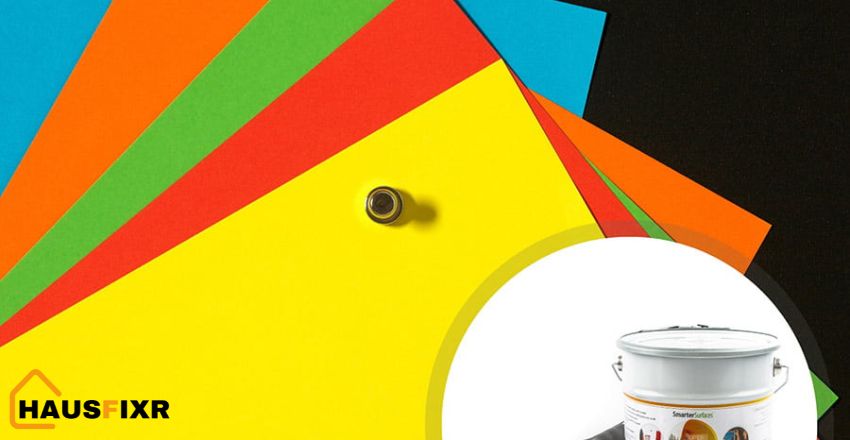
Magnetic paint typically comes in shades like black or grey to ensure magnets adhere correctly. However, many brands now offer various colors, including white, cream, and even bright shades. This allows you to seamlessly integrate magnetic surfaces into your decor without compromising functionality. Customization options make it easier to match your desired aesthetic.
Design Potential
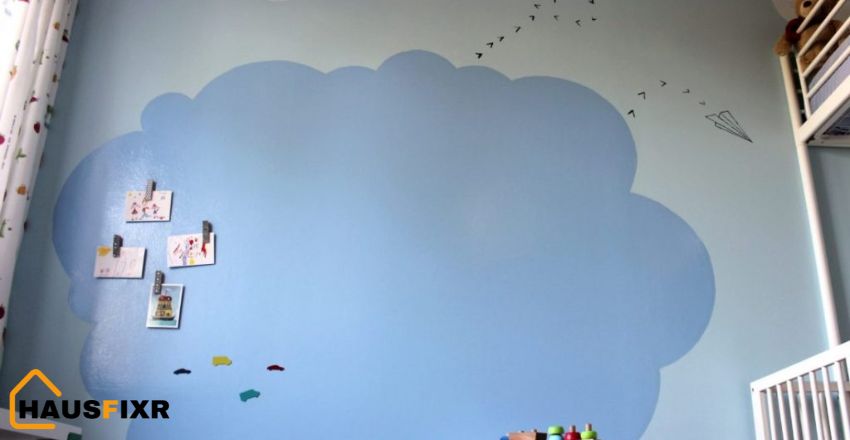
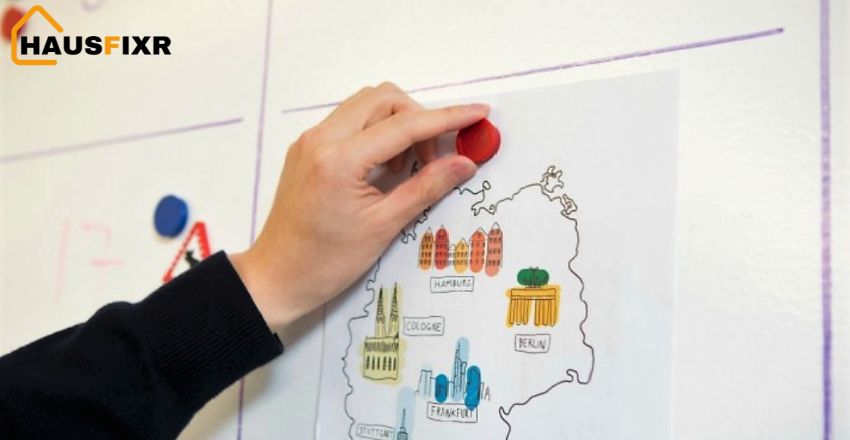
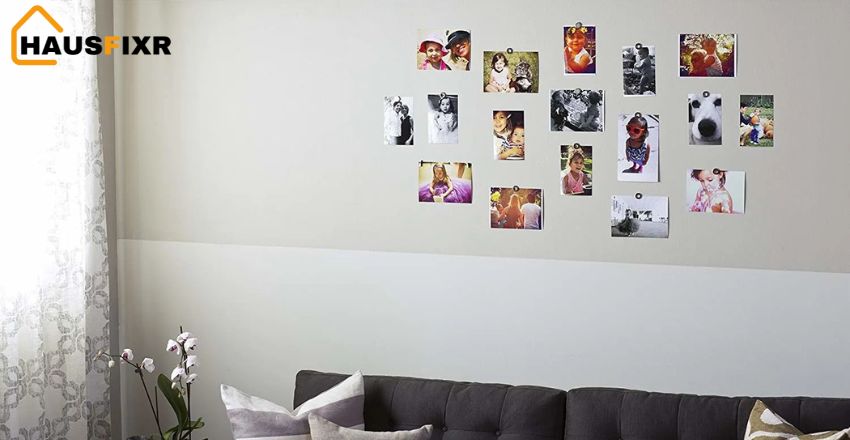
Magnetic paint offers endless design possibilities for walls and surfaces. It allows you to turn any area into a functional display space where magnets can hold photos, reminders, or artwork. You can easily create a magnetic chalkboard, whiteboard, or an interactive gallery wall. The flexibility of magnetic paint makes it ideal for home and office spaces.
Rainbows of Creativity
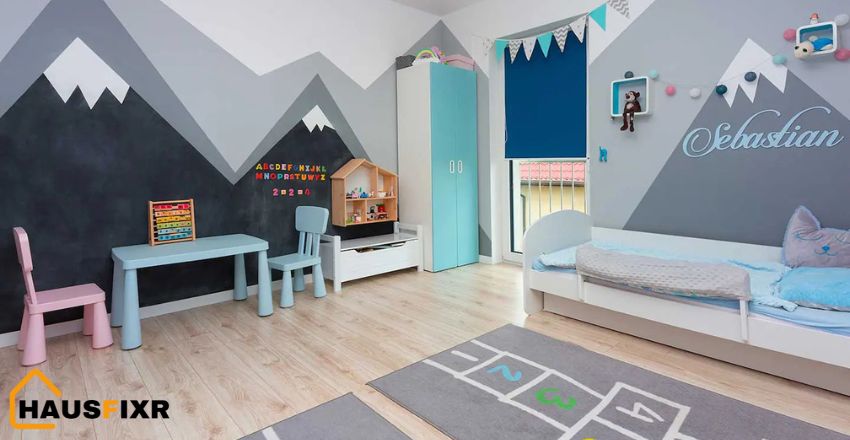
Magnetic chalkboards and whiteboards are some of the most popular uses for magnetic paint. These surfaces allow you to combine the power of magnets with the ability to write and draw with chalk or markers. Magnetic boards are perfect for playrooms, kitchens, or offices, providing a practical and fun element for organizing, displaying, and creating.
Cost of Magnetic Paint
Magnetic paint is more expensive than standard paint but offers extra functionality that justifies the cost for many users. Prices typically range from $30 to $60 per gallon, depending on the brand and any added features. While the initial investment might be higher, the long-term value of transforming a space with magnetic paint is considerable, especially for multi-use areas.
Durability
Once applied, magnetic paint is durable and can withstand everyday wear. However, it is essential to note that magnetic paint is not as scratch-resistant as standard paint. To ensure longevity, applying multiple coats and treating the surface gently is recommended. While it holds up well over time, care should be taken to avoid chipping or damage to the finish.
Innovative Uses for Magnetic Paint
- Magnetic paint can be used in more than just typical wall applications.
- Many users apply it to furniture like cabinets, doors, or refrigerators, turning them into interactive magnetic surfaces.
- For even more creative possibilities, you can use magnetic paint on ceilings or floors.
- This innovative approach makes it an excellent option for businesses, schools, and homes.
Application Process
Applying magnetic paint is relatively simple but requires patience for optimal results. It’s essential to prepare the surface by cleaning and smoothing it before applying multiple coats of magnetic paint—usually, 2-3 layers are needed for solid magnet adhesion. After the magnetic paint dries, you can add a finishing coat of your desired color to blend seamlessly with the room’s decor.
Magnetic Paint Maintenance and Long-Term Performance
Once magnetic paint has been fully applied and covered with a finishing coat, proper maintenance plays an important role in preserving its functionality and appearance. To keep the magnetic surface effective, avoid using overly heavy or oversized magnets that could reduce adhesion over time.
Regular cleaning with a soft, dry cloth or a mild cleaner helps maintain a smooth surface without damaging the top layer. If the painted area experiences frequent use, such as in offices or children’s rooms, it may be necessary to refresh the topcoat after several years to restore its original look. Additionally, avoiding sharp impacts or constant scraping ensures the magnetic layer underneath remains intact and functional for long-term use.
Magnetic Paint for Kids’ Rooms
Magnetic paint is a great addition to kids’ rooms, turning walls into interactive play spaces where they can display artwork, attach toys, or even create a fun magnetic chalkboard. It encourages creativity and organization, allowing children to decorate their space efficiently. It’s also perfect for creating study areas or play zones where learning and fun go hand-in-hand.
Environmental Impact of Magnetic Paint
Magnetic paint typically contains iron powder and other ingredients, which may raise environmental concerns for some users. Many brands now offer eco-friendly versions, using non-toxic materials and sustainable production practices. Always check for certifications or eco-friendly claims to ensure you’re choosing the most responsible option when considering the environmental footprint of your paint choice.
Magnetic Paint in Commercial Spaces
Magnetic paint offers a functional and versatile solution for organizing spaces in commercial settings. Offices, restaurants, and retail shops display schedules, menus, or advertisements using magnetic walls. It also helps with brainstorming, as you can easily attach notes and ideas to the surface using magnets. This innovative use of space maximizes efficiency and can transform the aesthetics of commercial environments.
Types of Magnetic Paint
Magnetic paint has several types, each tailored for different uses and preferences. The most common types are:
- Standard Magnetic Paint: This is the basic version, often dark grey or black, designed for everyday use on walls or furniture. It’s functional but requires multiple coats for solid adhesion.
- Magnetic Primer: Lighter than standard magnetic paint, magnetic primer works as a base layer to provide a thin magnetic surface that can be painted with regular wall paint.
- Eco-Friendly Magnetic Paint: Made with non-toxic ingredients and environmentally conscious processes, this type is ideal for homes with children or those concerned with sustainability.
- Colored Magnetic Paint: Some brands offer magnetic paint pre-tinted in various colors, making it easier to match your decor without covering the surface with another coat of color.
Pricing
Magnetic paint typically costs between $30 to $60 per gallon, depending on the brand and features. Basic versions are lower, while premium or eco-friendly options may be pricier. Though it’s more expensive than regular paint, its versatility and unique functionality justify the cost, especially for those seeking creative, multi-purpose solutions in their space.
Conclusion
In conclusion, magnetic paint is a versatile and innovative solution that can enhance any space’s functionality and aesthetic. Its potential is limitless, whether used for organizing, creating interactive surfaces, or adding creative designs.
While it requires proper application and care, the benefits—such as flexibility, customization, and durability—make it a worthwhile investment for homeowners and businesses. With various types available, magnetic paint offers a perfect fit for every need.
Apart from that if you want to know about “Sanding Drywall: Its Importance, Tools and Material, Method of Preparation, Common Mistakes, and More Data” then please visit our “Decoration” Category.
FAQs
Magnetic paint is a special coating that allows magnets to stick to walls and other surfaces.
Use a roller or brush to apply magnetic paint like regular paint, and allow multiple coats for more vital magnetism.
Yes, you can paint with any regular color over magnetic paint after it dries.
Yes, magnetic paint is generally safe, but following the manufacturer’s instructions for ventilation is essential.