Quick answer: The best front porch ideas improve three things at once: the view from the street, the way guests move to the door, and how comfortable the space feels day to day. Start with the door, lighting, planters, and walking path, then add seating or seasonal decor only if the porch has room.
A front porch does not need to be large or expensive to make a home feel more inviting. A few deliberate changes can add style and purpose to a plain stoop, covered entry, farmhouse porch, or compact suburban porch. The key is to improve the permanent elements first and treat decorations as the finishing layer, not the entire design.
The most useful front porch ideas also fit the house’s architecture and available space. A narrow porch may need only a strong door color, one planter, better lighting, and a clean mat, while a deep covered porch can support full seating and multiple activity zones. Before buying anything, decide whether your main goal is better curb appeal, outdoor seating, easier maintenance, or a more welcoming entrance.
| Your main goal | Start with | Add next | Avoid |
|---|---|---|---|
| Better curb appeal | Front door and lighting | Planters and house numbers | Too many small decorations |
| Small porch | Clear walking space | Vertical accents | Oversized furniture |
| Cozy seating | Weather-ready chairs | Rug and side table | Blocking the doorway |
| Modern look | Simple color palette | Clean-lined planters | Excess ornament |
| Farmhouse style | Natural wood and classic seating | Greenery and textured textiles | Over-themed signs |
| Low maintenance | Durable finishes | Evergreen or faux accents | Delicate indoor materials |
Plan the Porch Before You Decorate It
Start by looking at the porch as a route rather than a display area. The door needs room to open freely, visitors need a comfortable path to it, and steps should stay easy to see and use after you add furniture and planters. Once you protect that movement zone, the remaining space becomes much easier to decorate.
It also helps to view the porch from the sidewalk or driveway before making changes. From that distance, the front door, porch light, columns, railing, steps, and large planters matter more than tiny accessories. Choosing two or three strong focal points usually creates a more polished result than spreading small decor across every available surface.
Make the Front Door the Main Focal Point
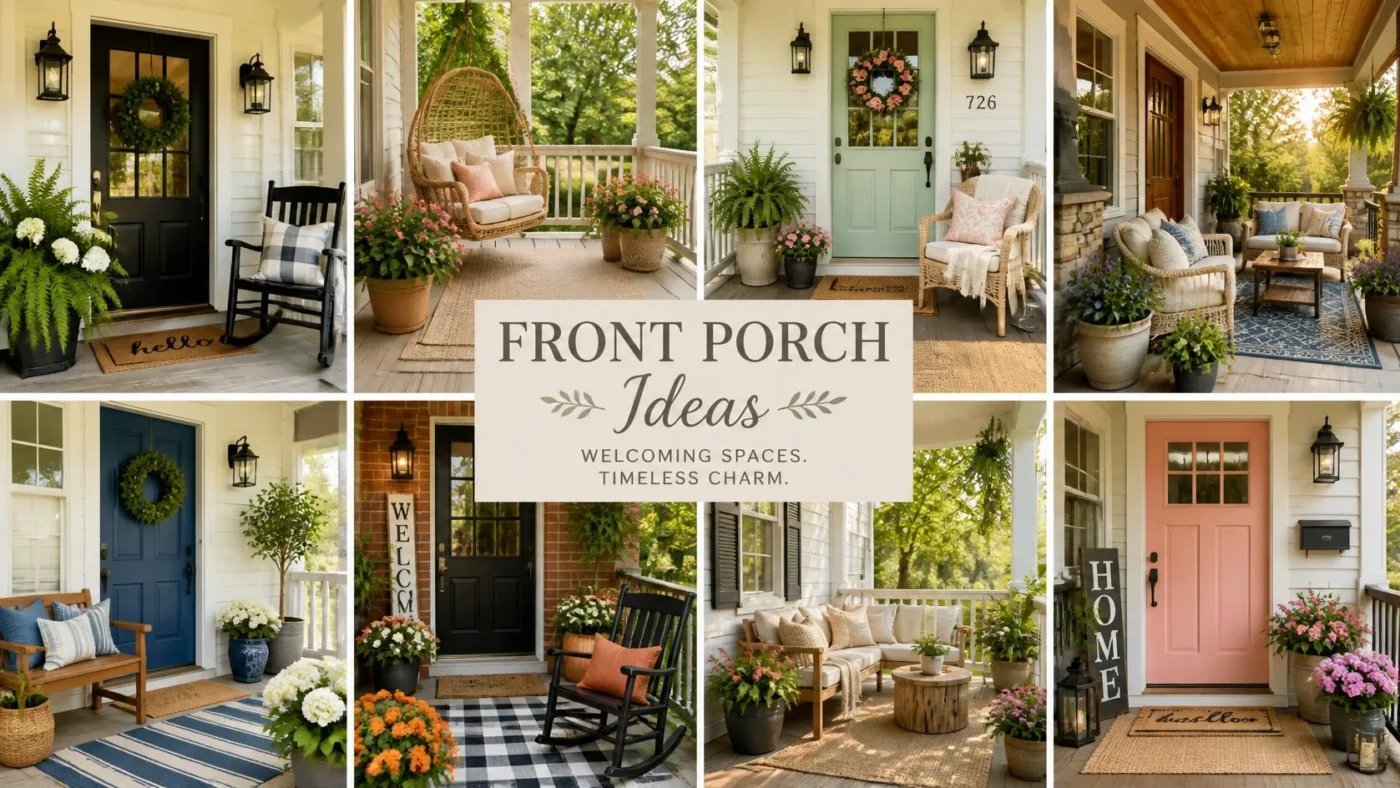
The front door is the natural place to begin because it already sits at the center of the arrival experience. A fresh color can separate the entrance from neutral siding, brick, or stucco without requiring a complete exterior makeover. Repeat a small amount of that color elsewhere through cushions, flowers, a planter, or another accent so the choice feels connected to the rest of the porch.
For brick homes, consider how the door color works with the permanent masonry before choosing a shade. Painting the brick itself is a much bigger commitment than changing a door, so homeowners considering that step can review HausFixr’s guide to the best paint for bricks first. Testing a door color in daylight and evening light can also prevent a color that looked perfect on a sample from feeling too bright or too dull outdoors.
Frame the Entrance With Planters
A pair of planters can make an entrance look finished without filling the whole porch with objects. Matching containers create a formal, symmetrical effect, while one tall planter balanced by a smaller grouping works well when the doorway is off-center. Choose container sizes substantial enough to be visible from the street but not so large that they narrow the path.
Plant selection should reflect the sun, wind, heat, and cold the porch receives, not appearance alone. Shaded covered porches need different plants from uncovered entries that receive intense afternoon sun, and exposed locations may require heavier containers that are less likely to shift. If live plants become difficult to maintain, one healthy seasonal arrangement will usually look better than several struggling pots.
Upgrade the Porch Lighting
Good front porch lighting makes the entrance feel intentional after sunset and adds another layer of visual interest. Wall sconces should relate to the scale of the door and surrounding wall instead of looking unusually small against a tall entry. On larger covered porches, a ceiling fixture or pendant can define the seating area while the door fixtures handle the arrival zone.
The color and style of the fixtures should also coordinate with visible hardware such as the door handle, house numbers, railing details, and mailbox. They do not need to be identical, but repeating one finish can make several separate features feel like a single design. Any new hardwired exterior fixture should be rated for its location and installed according to applicable electrical requirements.
Layer a Rug and Doormat Carefully
A rug can make a covered front porch feel more like an outdoor room, especially when seating is part of the layout. On smaller porches, layering a simple doormat over a slightly larger patterned outdoor rug adds texture without requiring more furniture or decorations. Keep the combination proportional to the doorway so it frames the entrance instead of filling every inch of floor.
Outdoor textiles also need to suit how much moisture the porch receives. An open porch may be better served by fast-drying materials and simpler layers than a deeply covered porch that stays relatively protected. Make sure rugs and mats lie flat so they do not create an awkward edge along the main walking route.
Use Seating That Fits the Space
Seating should make a porch easier to enjoy, not harder to enter. A narrow bench, a single chair with a small table, or two compact chairs can be more useful than a full furniture set squeezed into a shallow space. Leave enough open floor around the furniture that people can sit down without placing chair legs directly in the doorway or main traffic path.
A deeper porch offers more options, including rocking chairs, a porch swing, or a small conversation area. Rather than automatically pushing every piece against the wall, arrange the seats around how people will actually talk, look toward the yard, or watch the street. A side table can then handle drinks, books, or a small planter without adding another large piece of furniture.
Give the Ceiling Some Attention
Covered porches have an extra design surface that is easy to overlook. A painted or paneled ceiling can make a basic seating area feel more complete and reinforce the home’s architectural style. Light colors tend to keep the space visually open, while natural wood introduces warmth and texture.
Ceiling fans can also be worth considering on large covered porches where people regularly sit during warm weather. Their scale should match the porch rather than overpower the seating area, and they need enough clearance to operate safely. Evaluate structural or electrical changes before treating a fan or heavy hanging fixture as a simple decorative project.
Refresh the Porch Floor
The floor covers one of the largest visible surfaces on the porch, so even a modest refresh can change the whole entry. Cleaning, repairing damaged areas, or applying an appropriate finish may produce more impact than adding several new decorations. Depending on the house, wood decking, concrete, brick, tile, or stone can support different styles.
Color and pattern should still relate to the exterior rather than compete with it. A graphic finish can bring energy to an otherwise simple porch, while a quiet neutral floor gives plants, furniture, and the front door more room to stand out. Before coating any surface, confirm that the product is intended for the material and outdoor exposure involved.
Coordinate House Numbers, Hardware, and Railings
Small permanent details often determine whether a porch looks updated or unfinished. House numbers that are visible from the approach, clean door hardware, and well-maintained railings can strengthen the entrance without adding visual clutter. Repeating one or two finishes across these features creates a more consistent look.
Railings deserve special attention because they are both architectural and functional. If an existing railing is in good condition, paint or a new finish may be enough to integrate it into a new color scheme, but repair damaged or loose components rather than disguise them. Changes to railing height, spacing, stairs, or structural components may also be subject to local requirements.
Connect the Porch to the Walkway
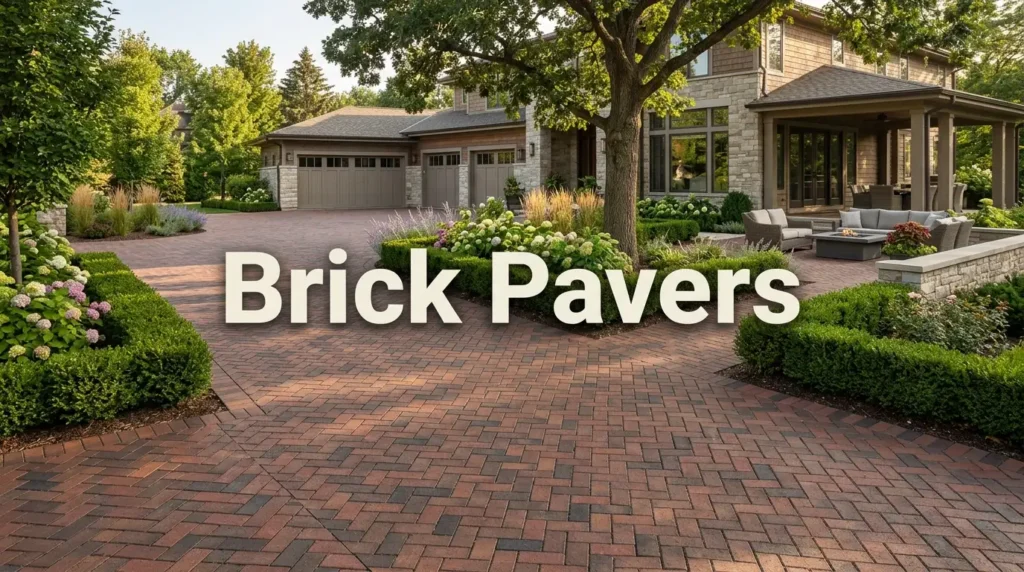
The porch starts visually before anyone reaches the first step, so the path leading to it should feel like part of the same design. Repeating stone, brick tones, plant colors, or lighting along the route creates a stronger transition from the yard to the door. Even a simple edge of low plants can help guide the eye toward the entrance.
If the existing approach feels unfinished, a well-built gravel walkway can be a practical option for certain homes and landscapes. The walkway should drain well, remain comfortable underfoot, and meet the porch without creating an awkward step or loose material directly at the threshold. Keeping nearby shrubs trimmed away from the walking route also makes the entrance feel more open.
Small Front Porch Ideas That Do Not Feel Crowded
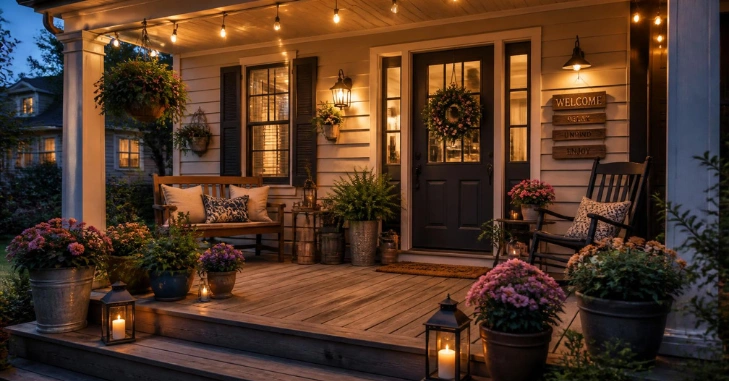
A small porch looks best with fewer pieces and more visual presence. Instead of several tiny pots, use one tall planter; instead of a collection of signs, choose one strong door feature; and instead of two chairs that barely fit, consider one comfortable seat. This approach keeps the floor open while still adding color, height, and personality.
Vertical space becomes especially valuable when the porch has almost no room beside the door. A wall-mounted planter, narrow house-number display, hanging basket, or slim lighting fixture can add interest without taking away walking space. Keeping the color palette restrained also helps the individual elements read as a coordinated group rather than a collection of unrelated items.
Front Porch Ideas for Different Home Styles
Modern Front Porches
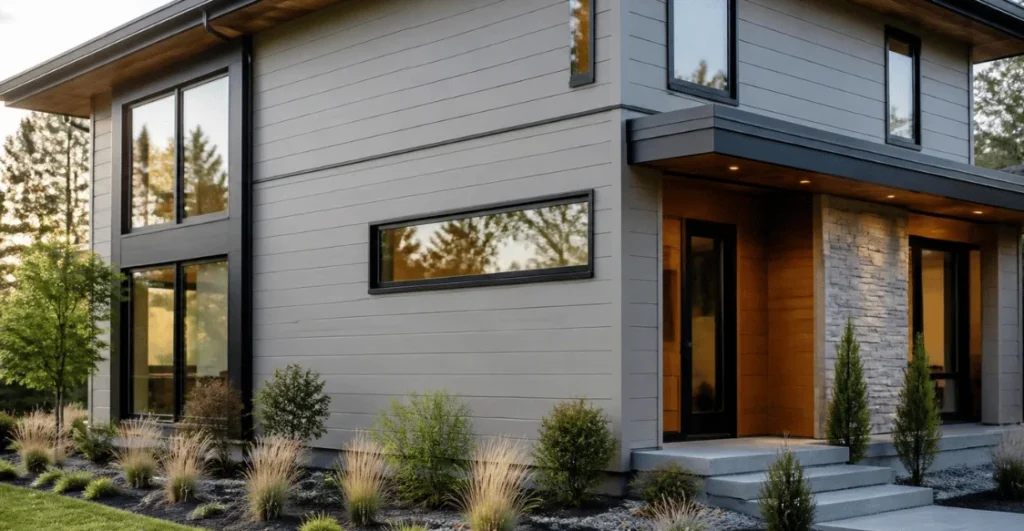
Modern porches generally look strongest when you edit shapes, colors, and materials rather than layering them heavily. A simple door, large-format planter, streamlined light fixture, and one strong seating piece can create more impact than multiple decorative accents. Black, warm wood, gray, off-white, and muted natural colors are easy to combine without making the entrance feel sterile.
Exterior materials should stay within that palette rather than serving as a separate background. If a larger exterior update is already planned, HausFixr’s guide to fiber cement siding costs can help homeowners understand how siding decisions fit into a broader renovation budget. For a decor-only project, repeating the siding color in smaller porch details is an easier way to create continuity.
Farmhouse Front Porches
Farmhouse porches work well with natural wood, simple painted finishes, comfortable seating, classic lantern-style lighting, and abundant greenery. The style feels most convincing when the pieces look useful as well as decorative, such as a real bench, rocker, basket, or weather-ready side table. Soft textiles can add pattern without turning the porch into a collection of themed signs.
White and warm neutral colors are common, but farmhouse style does not require an all-white exterior. Deep green, black, muted blue, aged metal, and natural wood can add depth while maintaining a relaxed character. Limiting decorative typography keeps the architecture and materials from getting lost.
Traditional Front Porches
Traditional porches often benefit from symmetry and repetition. Matching lights, coordinated planters, balanced seating, and a centered wreath or door detail create an orderly arrival. Brick, painted wood, metal lanterns, and classic furniture shapes can reinforce the style without feeling dated.
A traditional scheme does not have to be formal or overly matched. Different textures can share the same color family, and plants can soften symmetrical furniture or architectural lines. Seasonal decor works particularly well when it replaces an existing accent rather than being added on top of everything already there.
Craftsman and Cottage Porches
Craftsman and cottage homes usually have architectural details worth emphasizing rather than covering. Wood posts, tapered columns, visible beams, masonry bases, and deep trim can guide the choice of furniture and lighting. Natural materials and slightly softer, less formal plant arrangements often complement those features well.
Color can also help highlight the details already built into the facade. A contrasting door or trim color can bring attention to an entry without changing the basic architecture. Keeping large decorative pieces below important windows, trim, and column details keeps the house’s character visible.
Budget-Friendly Front Porch Ideas
A low-cost porch refresh should begin with cleaning and editing. Washing the floor, wiping down the door, removing broken pots, trimming plants, and removing decorations that no longer fit can reveal what actually needs to change. Once the porch is cleared, it becomes easier to see whether paint, lighting, plants, or one piece of furniture will give the biggest improvement.
Reusing what you already own can stretch the project further. A bench may only need exterior-appropriate paint, existing containers can be grouped differently, and cushions can be recovered or replaced instead of buying an entire furniture set. Spending on one visible improvement often creates a better result than dividing the same budget among many small accessories.
If money is extremely limited, focus on the doorway first. Clean surfaces, a refreshed door, one healthy plant, a neat mat, and working lighting can make a small entrance feel cared for without a major renovation. You can always add decorative layers later once the basics look deliberate.
Design the Porch for Your Climate
Porches in Arizona, Florida, Maine, and the Pacific Northwest face different conditions, so choose materials accordingly. Strong sun can fade certain finishes and fabrics, repeated moisture can make slow-drying materials frustrating, and freezing conditions place different demands on floors, steps, and containers. Buying outdoor-rated pieces suited to local exposure can reduce how often you need to replace them.
Seasonal storage also deserves consideration before filling the space. Cushions, delicate pots, rugs, and decorations may need somewhere protected during severe weather or the off-season, which matters more when a home has limited storage. Permanent choices such as lighting, flooring, planters, and furniture should therefore carry most of the design so the porch still looks finished when you remove seasonal items.
Front Porch Mistakes That Make an Entry Feel Smaller
Too much small decor is one of the quickest ways to make a porch feel crowded. Too many signs, lanterns, baskets, figurines, pots, and pillows can compete with the door and make cleaning harder. Removing several minor pieces and keeping one or two stronger accents often improves the view immediately.
Furniture that is too deep for the porch creates a similar problem. A chair may technically fit against the wall but still interfere with the door swing, walkway, or steps once someone is sitting in it. Measuring the usable floor area before shopping prevents a visually appealing piece from becoming an everyday obstacle.
Another common mistake is styling the porch separately from the rest of the exterior. A highly rustic porch on a sleek modern facade or a sharply contemporary furniture set on a strongly traditional entry can feel disconnected unless some materials or colors bridge the two. Repeating an existing exterior color, wood tone, metal finish, or masonry material is a simple way to make new additions feel intentional.
Build the Porch Around How You Live
The strongest front porch ideas aren’t necessarily the most elaborate. A porch should make the entrance easier to use, complement the home from the street, and give you a place you are happy to maintain over time. Start with the door, path, light, and permanent finishes, then add only the furniture, greenery, and decorative layers that genuinely improve the space.
Frequently Asked Questions
How can I make a small front porch look better?
Start with the front door, lighting, and one appropriately scaled planter because those features create impact without taking much floor space. Keep the walking route open and use vertical surfaces when possible. One strong focal point usually makes a small entry feel more finished than several tiny decorations.
How do I decorate a front porch on a budget?
Clean and repair the porch before buying new decor, then choose a spot visible from the street. Paint, a healthy planter, a new mat, or refreshed seating can each change the entrance without requiring a structural project. Reusing containers and furniture also aletsmore of the budget to toward items that genuinely need rreplacing
What should every front porch have?
The essentials are a clear route to the door, dependable lighting, a clean entrance, and visible address identification. Beyond that, what belongs on the porch depends on its size and how you actually use it. Seating, plants, rugs, and seasonal accents should support the entrance rather than compete with it.
How can I make my front porch feel cozy?
Use comfortable seating when space permits, then layer in one or two soft textures such as outdoor cushions or a rug. Warm-looking lighting, natural materials, and plants can keep the area from feeling bare. A limited color palette helps those elements feel relaxed and connected instead of busy.
What colors work well for a front porch?
The best colors usually relate to materials already present on the house, such as brick, stone, siding, roofing, or trim. A contrasting front door can provide personality while neutral furniture and containers keep the overall scheme balanced. Test exterior colors outdoors because daylight can make them appear different from samples viewed inside.